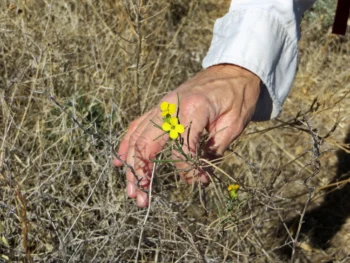
Contra Costa Wallflower: A Rare California Native Worth Protecting
Meet the Contra Costa wallflower (Erysimum capitatum var. angustatum), one of California’s most endangered native plants. This small but mighty wildflower might not be the easiest plant to grow, but for dedicated native plant gardeners, it represents something truly special—a chance to help preserve a piece of California’s natural heritage right in your own backyard.
What Makes This Plant So Special?
The Contra Costa wallflower is what botanists call a forb—essentially a non-woody flowering plant that comes back year after year. Don’t let its humble classification fool you, though. This little beauty produces clusters of bright yellow to orange four-petaled flowers that practically glow in the spring and early summer garden. The blooms sit atop slender stems with narrow, grayish-green leaves that give the plant its angustatum name, which means narrow.
As both a biennial and perennial (it can live multiple years but sometimes acts like it’s just passing through), this wallflower brings a touch of California’s wild landscapes to cultivated gardens.
A Plant on the Edge
Important conservation note: The Contra Costa wallflower is listed as endangered in Contra Costa County, California. This means it’s in serious trouble in the wild, making every garden specimen potentially important for the species’ survival.
Originally native to California, this variety has an extremely limited natural range. It’s one of those plants that evolved in very specific conditions and hasn’t adapted well to the changes humans have brought to the landscape.
- Species observed
- No observations
If you’re thinking about growing this rare beauty, please make sure you source your plants or seeds from reputable native plant nurseries that propagate their stock responsibly—never from wild-collected specimens.
Why Grow the Contra Costa Wallflower?
Despite its challenges, there are compelling reasons to include this plant in your native garden:
- Pollinator magnet: Native bees, butterflies, and other pollinators absolutely love wallflowers
- Conservation impact: You’re literally helping preserve an endangered species
- Unique beauty: Those bright yellow-orange flower clusters are genuinely stunning
- California authenticity: This is as native as it gets for Golden State gardens
- Conversation starter: Your rare plant will definitely get fellow gardeners talking
Growing Conditions and Care
Here’s where things get a bit tricky—this wallflower isn’t your typical easy-care native. It’s adapted to very specific conditions, which explains why it’s become so rare.
Sunlight: Full sun is essential. This plant won’t tolerate shade.
Soil: Well-draining soil is absolutely critical. Think Mediterranean conditions—the plant needs to dry out between waterings, especially in summer.
Water: Minimal water after establishment. Overwatering is probably the fastest way to kill this plant.
Climate: Best suited for USDA hardiness zones 8-10, particularly California’s coastal and inland areas with Mediterranean climates.
Garden Design Ideas
The Contra Costa wallflower works beautifully in:
- Native plant gardens: Perfect alongside other California natives
- Rock gardens: The excellent drainage conditions are ideal
- Mediterranean-style landscapes: Fits right in with other drought-tolerant plants
- Butterfly gardens: A must-have for attracting native pollinators
The Bottom Line
Should you grow the Contra Costa wallflower? If you’re an experienced native plant gardener who can provide the specific conditions it needs, and you can source plants responsibly, then absolutely yes. You’ll be contributing to conservation efforts while enjoying a truly unique California native.
However, if you’re new to native gardening or struggle with plants that need excellent drainage and minimal water, you might want to start with easier California natives and work your way up to this challenging beauty.
Remember, every Contra Costa wallflower grown responsibly in cultivation is a small victory for conservation. Sometimes the most rewarding plants are the ones that challenge us to become better gardeners while helping preserve our natural heritage.