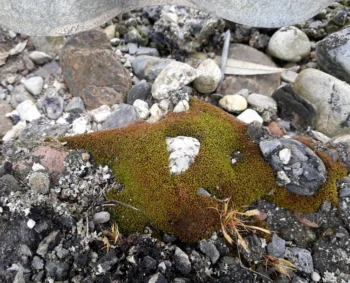
Controversial Weissia Moss: A Tiny Native You’ve Probably Never Noticed
Meet the controversial weissia moss (Weissia controversa) – and no, it didn’t earn its name by starting arguments at garden parties! This tiny North American native is one of those quiet characters in the plant world that goes about its business without much fanfare. If you’ve ever wondered about those small, green patches growing in shaded spots around your property, you might just be looking at this unassuming little moss.
What Exactly Is Controversial Weissia Moss?
Controversial weissia moss is a bryophyte – that’s the fancy scientific term for the group that includes mosses, liverworts, and hornworts. Think of bryophytes as the humble groundcover crew of the plant kingdom. They’re always herbaceous (never woody) and have a knack for clinging to rocks, dead wood, or sometimes soil, creating those soft, green carpets we often take for granted.
This particular moss species goes by a few names, including controversial weissia moss (with that extra ‘i’ that somehow makes it sound even more mysterious). Like many mosses, it has collected quite a few synonyms over the years as botanists have reclassified and renamed it – a common tale in the ever-evolving world of plant taxonomy.
Where You’ll Find This Native Moss
Weissia controversa is a true North American native, currently documented in New York state. However, like many moss species, it’s likely more widespread than current records suggest – mosses are notoriously understudied and often overlooked during botanical surveys.
- Species observed
- No observations
Is It Good for Your Garden?
Here’s where controversial weissia moss gets interesting from a gardener’s perspective. While you won’t find this moss at your local nursery (and you probably shouldn’t go hunting for it to transplant), it can actually be quite beneficial if it shows up naturally in your landscape:
- Helps prevent soil erosion on slopes and bare patches
- Retains moisture in the soil, creating favorable microclimates
- Provides habitat for tiny insects and other small creatures
- Adds natural texture and year-round green color to shaded areas
- Requires absolutely zero maintenance – it’s the ultimate low-maintenance groundcover
How to Identify Controversial Weissia Moss
Identifying specific moss species can be tricky business, even for experienced botanists. Controversial weissia moss shares the typical characteristics of its genus: small size, terrestrial growth habit, and a preference for attaching to solid surfaces rather than growing freely in soil.
If you suspect you’ve found this moss, look for:
- Small, low-growing patches in shaded, moist areas
- Growth on rocks, dead wood, or sometimes soil
- Typical moss appearance with tiny, overlapping leaves
- Presence in northeastern regions, particularly New York
For definitive identification, you’d need to examine the moss under magnification and possibly consult with a bryologist (moss expert) – the distinguishing features between closely related moss species often require specialist knowledge to discern.
The Bottom Line for Gardeners
Controversial weissia moss isn’t a plant you’ll be actively cultivating, but it’s one you can appreciate if it decides to grace your garden with its presence. As a native species, it’s playing its part in the local ecosystem, even if that role is small and largely invisible to us.
If you’re interested in encouraging native mosses in general, the best approach is to create the conditions they love: moist, shaded areas with minimal disturbance. Skip the fertilizers and aggressive weeding in these spots, and let nature do its quiet, persistent work.
Sometimes the most interesting garden inhabitants are the ones we never planted at all – they’re just part of the intricate web of native life that makes every landscape unique.