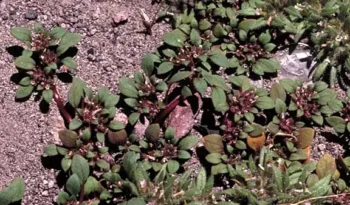
Cooke’s Phacelia: A Rare California Gem Worth Protecting
If you’re passionate about native plants and conservation, you might be curious about Cooke’s phacelia (Phacelia cookei), a delicate annual wildflower that’s become one of California’s botanical treasures. But before you start planning where to plant it, there’s something crucial you need to know about this little beauty.
What Makes Cooke’s Phacelia Special
Cooke’s phacelia is an annual forb – that’s garden-speak for a non-woody flowering plant that completes its entire life cycle in one growing season. Like other members of the Phacelia family, it produces charming clusters of small, purple-blue flowers that unfurl in characteristic coiled formations, almost like nature’s own fiddle-heads.
This herbaceous plant lacks any significant woody tissue and keeps its growing points at or below ground level, making it perfectly adapted to California’s Mediterranean climate patterns.
A Critically Rare California Native
Here’s where things get serious: Cooke’s phacelia is native exclusively to California and carries a Global Conservation Status of S1, meaning it’s critically imperiled. This designation indicates extreme rarity – we’re talking about typically five or fewer known populations with very few remaining individuals (fewer than 1,000 plants total).
This isn’t just uncommon – it’s on the edge of extinction.
- Species observed
- No observations
Should You Grow Cooke’s Phacelia?
The short answer is: only if you’re absolutely certain you can source it responsibly. Given its critically imperiled status, this isn’t a plant you can casually add to your garden wishlist. However, if you’re involved in conservation efforts or habitat restoration projects, growing Cooke’s phacelia could be an important contribution to preserving California’s botanical heritage.
Conservation-Minded Growing
If you’re committed to growing this rare beauty, here’s what you need to know:
- Responsible sourcing is non-negotiable: Only obtain seeds or plants from reputable native plant societies, conservation organizations, or certified growers
- California gardens only: This plant should only be grown within its native California range
- Suitable hardiness zones: Likely thrives in USDA zones 8-10
- Annual nature: Remember that as an annual, it will need to reseed each year to maintain a population
Growing Conditions and Care
While specific cultivation requirements for Cooke’s phacelia aren’t well-documented due to its rarity, we can make educated assumptions based on related Phacelia species:
- Soil: Likely prefers well-draining soils
- Light: Probably thrives in full sun to partial shade
- Water: As a California native annual, it’s adapted to seasonal rainfall patterns
- Garden style: Best suited for specialized native wildflower gardens and restoration plantings
Pollinator and Wildlife Benefits
Like its Phacelia relatives, Cooke’s phacelia likely provides valuable nectar and pollen for native bees, butterflies, and other pollinators. Supporting this rare species means supporting the entire web of life that depends on California’s native plant communities.
The Bottom Line
Cooke’s phacelia represents both the beauty and fragility of California’s native flora. While it’s not a plant for casual gardeners, those committed to conservation can play a vital role in its survival. If you’re not able to source this rare species responsibly, consider supporting conservation efforts or growing other native Phacelia species that provide similar pollinator benefits without the conservation concerns.
Remember, protecting rare plants like Cooke’s phacelia isn’t just about individual gardens – it’s about preserving California’s natural heritage for future generations. Every responsibly grown plant is a small victory in the fight against extinction.