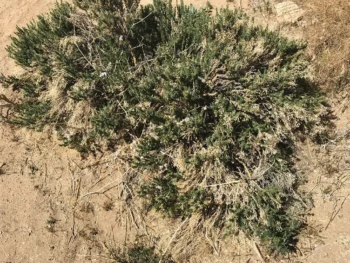
Cooper’s Goldenbush: A Desert Gem for Water-Wise Gardens
If you’re looking for a tough-as-nails native shrub that laughs in the face of drought while serving up gorgeous golden blooms, let me introduce you to Cooper’s goldenbush (Ericameria cooperi). This desert native might just become your new favorite low-maintenance garden companion!
Meet Cooper’s Goldenbush
Cooper’s goldenbush is a perennial shrub that’s perfectly at home in the harsh conditions of the American Southwest. Don’t let its delicate-looking flowers fool you – this plant is built for survival in some of the toughest landscapes around. As a true native of California and Nevada, it’s evolved to thrive where other plants simply give up.
Where Does It Call Home?
This desert beauty is native to the lower 48 states, specifically found growing wild in California and Nevada. You’ll typically spot it in the Mojave Desert region, where it decorates mountain slopes, desert washes, and rocky terrain with its cheerful blooms.
- Species observed
- No observations
Why Your Garden Will Thank You
Cooper’s goldenbush brings several fantastic qualities to your landscape:
- Water-wise wonder: Once established, this shrub is extremely drought tolerant, making it perfect for xeriscaping
- Pollinator magnet: The clusters of small, bright yellow flowers attract bees, butterflies, and other beneficial insects during late summer and fall
- Low maintenance: This is definitely a plant it and forget it kind of shrub
- Native credentials: Supporting local ecosystems while reducing water usage? That’s a win-win!
What to Expect
Cooper’s goldenbush typically grows as a compact, multi-stemmed shrub, usually staying under 13-16 feet in height (though most garden specimens will be much smaller). The silvery-green foliage provides year-round interest, while the explosion of golden-yellow, daisy-like flowers in late summer and fall creates a stunning seasonal display.
Perfect Garden Roles
This versatile native works beautifully in:
- Desert and xeriscape gardens
- Native plant landscapes
- Rock gardens
- Slope stabilization projects
- Low-water Mediterranean-style gardens
Growing Cooper’s Goldenbush Successfully
Hardiness: Thrives in USDA zones 8-10, perfect for warmer climates.
Light requirements: Give it full sun – this plant loves to bask in bright light all day long.
Soil needs: Well-draining soil is absolutely essential. Poor to moderate soils are actually preferred – this isn’t a plant that wants to be pampered with rich, fertile ground.
Watering: Here’s the best part – once established, Cooper’s goldenbush requires minimal to no supplemental watering. During its first year, provide occasional deep watering to help it get established, then step back and let nature take over.
Planting and Care Tips
- Best planting time: Fall or early spring gives the plant time to establish before extreme weather
- Spacing: Allow plenty of room for air circulation and natural growth
- Pruning: Light pruning after flowering helps maintain shape, but it’s not strictly necessary
- Fertilizing: Skip the fertilizer – this tough native prefers lean conditions
- Mulching: A light layer of gravel mulch can help with drainage and aesthetics
The Bottom Line
Cooper’s goldenbush is an excellent choice for gardeners who want to embrace water-wise gardening without sacrificing beauty. Its native status means you’re supporting local wildlife and ecosystems, while its drought tolerance means you can have a gorgeous garden even in challenging conditions. Plus, those late-season blooms provide crucial nectar when many other plants are calling it quits for the year.
If you’re ready to add some desert resilience and golden charm to your landscape, Cooper’s goldenbush deserves a spot on your must-plant list. Your garden – and the local pollinators – will thank you for it!