Cooper’s Milkvetch: A Hidden Gem for Low-Maintenance Native Gardens
If you’re looking for a resilient native plant that doesn’t demand much attention but delivers plenty of benefits, Cooper’s milkvetch (Astragalus neglectus) might just be the unsung hero your garden needs. This humble perennial has been quietly thriving across North America for centuries, and it’s about time we gave it the recognition it deserves.
What is Cooper’s Milkvetch?
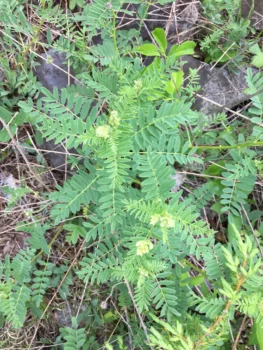
Cooper’s milkvetch is a native perennial plant that belongs to the legume family. You might also see it listed under its synonyms Astragalus cooperi or Phaca neglecta in older gardening references. This hardy little plant produces delicate white to cream-colored flowers arranged in small clusters, complemented by compound leaves made up of multiple small leaflets that give it a delicate, almost ferny appearance.
Where Does It Naturally Grow?
This native beauty calls both Canada and the lower 48 states home, with a natural range that spans an impressive territory. You’ll find Cooper’s milkvetch growing wild across Manitoba and Ontario in Canada, and throughout much of the northern and northeastern United States, including Massachusetts, Michigan, Minnesota, New York, North Dakota, Ohio, Pennsylvania, South Dakota, Virginia, West Virginia, and Wisconsin.
- Species observed
- No observations
Why Plant Cooper’s Milkvetch?
There are several compelling reasons to consider adding this native plant to your landscape:
- Pollinator magnet: The small flowers are perfect landing pads for native bees, butterflies, and other beneficial insects
- Low maintenance: Once established, this drought-tolerant perennial requires minimal care
- Native credentials: Supporting local ecosystems by choosing native plants
- Soil improvement: As a legume, it helps fix nitrogen in the soil
- Versatile growing conditions: Adaptable to various soil types and moisture levels
Perfect Garden Settings
Cooper’s milkvetch shines in several garden styles and situations:
- Native plant gardens where authenticity matters
- Prairie restoration projects
- Naturalized landscapes that mimic wild spaces
- Wildlife gardens focused on supporting local fauna
- Xeriscaping projects where water conservation is key
- Ground cover for challenging areas
Growing Conditions and Care
One of Cooper’s milkvetch’s best qualities is its easygoing nature. This adaptable plant thrives in USDA hardiness zones 3 through 7, making it suitable for a wide range of climates.
Soil and Water Needs
The wetland status varies by region, but generally, Cooper’s milkvetch prefers well-drained soils and typically grows in non-wetland areas, though it can occasionally tolerate some moisture. In the Great Plains, it’s particularly well-adapted to upland conditions and rarely tolerates wet soils. For most regions, think facultative upland – it’s happiest in drier conditions but won’t throw a fit if it gets some extra water now and then.
Sun Requirements
Full sun to partial shade works well for this flexible plant. It’s quite forgiving if your garden doesn’t offer perfect conditions.
Soil pH
Cooper’s milkvetch prefers neutral to slightly alkaline soils, but it’s adaptable enough to handle various soil types once established.
Planting and Propagation Tips
Getting Cooper’s milkvetch started in your garden requires a little patience, but the results are worth it:
- Seed starting: Direct sow seeds in fall or spring after cold stratification
- Timing: Fall planting allows natural winter stratification
- Spacing: Give plants room to spread as ground cover
- Establishment: Water moderately during the first growing season, then reduce as the plant becomes drought-tolerant
- Patience pays: Like many natives, it may take a season or two to really get established
Maintenance and Long-term Care
Here’s the best part about Cooper’s milkvetch – it’s nearly maintenance-free once established. Avoid overwatering, as this can actually harm the plant. The occasional deadheading can encourage more blooms, but it’s not necessary. In naturalized settings, simply let it do its thing.
Wildlife and Ecosystem Benefits
Beyond its pollinator appeal, Cooper’s milkvetch contributes to the broader ecosystem in several ways. As a nitrogen-fixing legume, it actually improves soil health for neighboring plants. The seeds may provide food for small wildlife, and the plant structure offers habitat for beneficial insects.
Is Cooper’s Milkvetch Right for Your Garden?
If you’re drawn to low-maintenance native plants that support local ecosystems without requiring constant attention, Cooper’s milkvetch could be an excellent addition to your landscape. It’s particularly valuable for gardeners in its native range who want to create authentic, sustainable garden spaces that work with nature rather than against it.
While it may not be the showiest plant in your garden, Cooper’s milkvetch offers the quiet satisfaction of knowing you’re growing something that truly belongs in your local landscape – and that’s pretty special in our increasingly homogenized world.