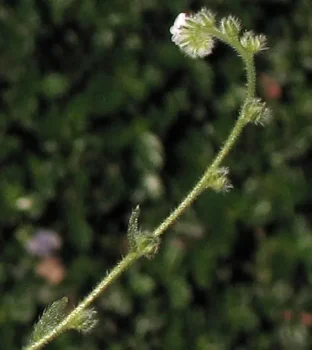
Cooper’s Popcornflower: A Charming Native Annual for Western Gardens
If you’re looking for a delicate, understated native wildflower to add natural charm to your garden, Cooper’s popcornflower might just be the perfect choice. This petite annual brings a touch of wild beauty to landscapes while supporting local pollinators and requiring minimal fuss once established.
Meet Cooper’s Popcornflower
Cooper’s popcornflower (Plagiobothrys collinus) is a native annual forb that belongs to the borage family. As a forb, it’s an herbaceous plant without any woody tissue above ground, making it a soft, delicate addition to the garden landscape. This charming wildflower gets its whimsical popcornflower name from its clusters of tiny white blooms that some say resemble scattered kernels of popped corn.
Where It Calls Home
This lovely native is naturally found in the southwestern United States, specifically thriving in Arizona and California. As a true native to these regions, Cooper’s popcornflower has evolved to work perfectly with local ecosystems, requiring less water and care than many non-native alternatives.
- Species observed
- No observations
Why Gardeners Love Cooper’s Popcornflower
There are several compelling reasons to consider adding this native beauty to your landscape:
- Low maintenance: As a native annual, it’s naturally adapted to local conditions and typically needs minimal intervention once established
- Pollinator magnet: The small white flowers attract native bees and other beneficial pollinators to your garden
- Natural appearance: Perfect for wildflower gardens, meadows, and naturalized areas where you want that wild look
- Water-wise: Adapted to drier conditions, making it suitable for water-conscious gardening
- Self-seeding: Will often reseed itself, creating natural colonies over time
Garden Design and Landscape Use
Cooper’s popcornflower shines in several garden settings. It’s particularly well-suited for native plant gardens where it can mingle with other indigenous species. The delicate flowers work beautifully in wildflower meadows, where their subtle charm doesn’t compete with showier blooms but adds texture and interest.
Consider using it as a natural ground cover in areas where you want a soft, informal look. It pairs wonderfully with other native annuals and perennials, creating layered plantings that feel authentic and effortless.
Growing Conditions and Care
One of the best things about Cooper’s popcornflower is how easygoing it is. Here’s what this native beauty prefers:
- Sunlight: Full sun to partial shade
- Soil: Well-draining soils (it’s not picky about soil type)
- Water: Dry to moderate moisture levels
- Climate zones: USDA hardiness zones 8-10
Planting and Care Tips
Getting Cooper’s popcornflower established in your garden is refreshingly straightforward:
- Seeding: Direct seed in fall for best results, as many native annuals benefit from natural winter stratification
- Watering: Provide moderate water during establishment, then reduce once plants are growing well
- Maintenance: Minimal maintenance required – this is a plant it and let it be kind of flower
- Propagation: Allow plants to go to seed naturally, and they’ll often self-sow for next year’s display
Supporting Your Local Ecosystem
By choosing Cooper’s popcornflower, you’re not just adding beauty to your garden – you’re supporting your local ecosystem. Native plants like this one provide food and habitat for native pollinators that have co-evolved with them over thousands of years. The small flowers are particularly attractive to native bees, which are often more effective pollinators than non-native species.
Is Cooper’s Popcornflower Right for Your Garden?
This native annual is an excellent choice for gardeners in Arizona and California who want to create naturalistic, low-water landscapes. If you enjoy the subtle beauty of wildflowers and want to support local wildlife while minimizing maintenance, Cooper’s popcornflower could be a wonderful addition to your garden palette.
While it may not provide the bold color impact of some showier annuals, its gentle charm and ecological benefits make it a valuable player in the native garden. Plus, there’s something deeply satisfying about growing a plant that truly belongs in your local landscape.