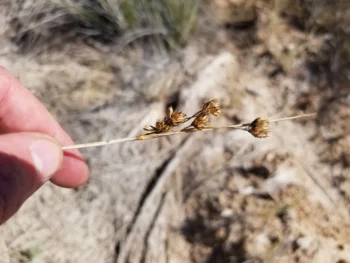
Cooper’s Rush: A Southwestern Native That’s Perfect for Water-Wise Gardens
If you’re looking for a low-maintenance native plant that can handle the heat and drought conditions of the Southwest, Cooper’s rush might just be your new gardening buddy. This unassuming perennial grass-like plant packs a lot of practical benefits into its slender, upright form.
What is Cooper’s Rush?
Cooper’s rush (Juncus cooperi) is a native perennial belonging to the rush family. Don’t let the name fool you – while it’s called a rush, it’s actually a hardy, grass-like plant that forms attractive clumps of slender, cylindrical stems. This southwestern native has been quietly thriving in harsh desert conditions long before any of us thought about water-wise gardening.
Where Does Cooper’s Rush Call Home?
This tough little plant is native to the lower 48 states, specifically calling Arizona, California, and Nevada home. It’s perfectly adapted to the challenging conditions of the American Southwest, making it an excellent choice for gardeners in these regions who want to work with nature rather than against it.
- Species observed
- No observations
Why You’ll Want Cooper’s Rush in Your Garden
Cooper’s rush brings several compelling benefits to your landscape:
- Drought tolerance: Once established, this plant can handle extended dry periods like a champ
- Low maintenance: Perfect for busy gardeners or those new to native plants
- Versatile placement: Thrives in zones 8-10 and adapts to various soil conditions
- Wetland flexibility: While it usually prefers wetland conditions, it can also succeed in drier spots
- Textural interest: Adds subtle, upright texture to garden compositions
Perfect Garden Situations for Cooper’s Rush
This adaptable native works beautifully in several garden styles:
- Desert and xeriscape gardens
- Native plant landscapes
- Rain gardens and bioswales
- Naturalistic plantings
- Water-wise garden borders
Growing Cooper’s Rush Successfully
The beauty of Cooper’s rush lies in its simplicity. Here’s how to keep it happy:
Light Requirements: Give it full sun to partial shade – it’s not picky about lighting conditions.
Soil Needs: This adaptable plant tolerates various soil types. While it naturally gravitates toward wetland conditions, it’s flexible enough to handle drier soils once established.
Watering: Water regularly during the first year to help it establish strong roots. After that, it becomes quite drought tolerant, though it won’t mind occasional deep watering during extremely dry spells.
Planting Timeline: Plant in spring or fall for best results. This gives the plant time to establish before facing extreme summer heat or winter conditions.
A Few Things to Keep in Mind
Cooper’s rush is wind-pollinated, so it won’t be a major draw for bees and butterflies like some showier natives. However, its low-maintenance nature and drought tolerance make it an excellent supporting player in native plant communities.
As a facultative wetland plant, Cooper’s rush offers flexibility – it usually prefers moist conditions but can adapt to drier situations, making it perfect for gardeners dealing with variable water availability.
The Bottom Line
Cooper’s rush might not be the star of your garden show, but it’s definitely a reliable supporting actor. If you’re gardening in the Southwest and want a native plant that won’t demand constant attention while still contributing to your local ecosystem, this unassuming rush deserves a spot in your landscape. It’s proof that sometimes the most valuable plants are the ones that simply do their job well, year after year, without any drama.