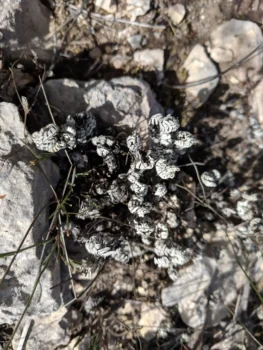
Copeland’s Cloak Fern: A Hidden Gem of Texas Native Gardening
If you’re looking to add a touch of silvery elegance to your drought-tolerant garden, meet Copeland’s cloak fern (Notholaena copelandii) – a charming little native that’s as tough as it is beautiful. This petite fern might not be the showiest plant in your garden, but it certainly knows how to make a statement with its distinctive silvery-white frond undersides that seem to shimmer in the light.
What Makes This Fern Special?
Copeland’s cloak fern is a true Texas native, found exclusively in the Lone Star State’s Trans-Pecos region. Unlike the moisture-loving ferns you might be familiar with, this hardy perennial has adapted to thrive in some pretty challenging conditions. The cloak in its name refers to the silvery-white coating on the undersides of its fronds, which helps protect the plant from intense sun and reduces water loss – pretty clever for a desert dweller!
Where Does It Grow?
This fern calls Texas home, specifically the rocky, arid landscapes of the Trans-Pecos region. It’s perfectly content growing in the cracks and crevices of limestone outcrops and rocky slopes, where many other plants would struggle to survive.
- Species observed
- No observations
Why You Might Want to Grow It
Here’s why Copeland’s cloak fern deserves a spot in the right garden:
- Drought tolerance: Once established, this fern needs very little water
- Unique texture: The silvery undersides create beautiful contrast in rock gardens
- Native wildlife support: Provides habitat and shelter for small creatures
- Low maintenance: Perfect for gardeners who want beauty without the fuss
- Conversation starter: A drought-tolerant fern? Your garden visitors will be intrigued!
Growing Conditions and Care
If you’re thinking about adding this unique fern to your landscape, here’s what it needs to thrive:
Light: Partial shade to full sun – this fern can handle more sun than most of its relatives
Soil: Well-draining, rocky, or sandy soil is essential. Poor drainage is the enemy of this desert-adapted plant
Water: Drought-tolerant once established, but appreciate occasional deep watering during extreme dry spells
Hardiness: Thrives in USDA zones 7-10, making it suitable for much of Texas and similar climates
Perfect Garden Settings
Copeland’s cloak fern shines in:
- Rock gardens and xerophytic landscapes
- Native plant gardens focused on Texas species
- Drought-tolerant landscape designs
- Naturalistic desert garden settings
- Crevice gardens and stone walls
A Word of Caution
While this fern isn’t listed as rare, its limited natural distribution means you should source it responsibly. Look for nurseries that specialize in native Texas plants and can verify their plants are ethically propagated rather than collected from the wild.
The Bottom Line
Copeland’s cloak fern might not be the easiest plant to find at your local garden center, but for gardeners in suitable climates who appreciate unique, low-maintenance natives, it’s worth seeking out. This little fern proves that not all ferns need a shady, moist corner – sometimes the most interesting plants are the ones that break the rules!
Just remember: good drainage is non-negotiable, and a little neglect might actually be better than too much attention. Sometimes the best gardening advice is simply to let Texas natives do what they do best – survive and thrive in challenging conditions.