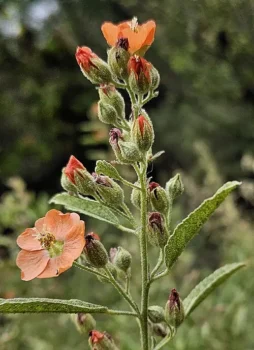
Copper Globemallow: A Vibrant Native Beauty for Water-Wise Gardens
If you’re looking to add a splash of sunset colors to your garden while supporting local wildlife and conserving water, copper globemallow might just become your new favorite native plant. This hardy perennial brings cheerful orange blooms and silvery foliage to landscapes across much of the American West and beyond.
What Is Copper Globemallow?
Copper globemallow (Sphaeralcea angustifolia) is a native perennial herb that belongs to the mallow family. Don’t let the term herb fool you – this isn’t something you’ll be adding to your cooking pot! In botanical terms, it simply means this plant lacks woody stems and dies back to the ground each winter, sprouting fresh growth come spring.
This delightful native has quite the collection of scientific aliases, having been shuffled around the botanical naming system over the years. But regardless of what the taxonomists call it, gardeners know it as a reliable, beautiful addition to water-wise landscapes.
Where Does Copper Globemallow Call Home?
As a true native of the lower 48 states, copper globemallow has established itself across a impressive range of territories. You’ll find wild populations thriving in Arizona, California, Colorado, Kansas, Maryland, Nebraska, Nevada, New Mexico, Oklahoma, and Texas. This wide distribution hints at the plant’s adaptability – always a good sign for home gardeners!
- Species observed
- No observations
Why Your Garden (and Local Wildlife) Will Love It
There are plenty of reasons to consider adding copper globemallow to your landscape:
- Stunning visual appeal: The plant produces gorgeous cup-shaped flowers in shades ranging from bright orange to coral, creating a warm, welcoming display against its silvery-green foliage
- Pollinator magnet: Bees, butterflies, and hummingbirds absolutely adore these blooms, making your garden a buzzing hub of activity
- Water-wise champion: Once established, this drought-tolerant beauty requires minimal irrigation, perfect for xeriscaping and water conservation efforts
- Low maintenance: After the initial establishment period, copper globemallow pretty much takes care of itself
- Extended bloom time: Enjoy flowers from late spring through fall with proper care
Perfect Garden Partnerships
Copper globemallow shines brightest in certain garden styles and settings:
- Desert and xeriscape gardens
- Native plant landscapes
- Wildflower meadows
- Pollinator gardens
- Rock gardens and naturalized areas
- Informal cottage-style borders
It pairs beautifully with other drought-tolerant natives like penstemon, desert marigold, and various ornamental grasses.
Growing Copper Globemallow Successfully
The good news? Copper globemallow is remarkably forgiving and easy to grow in USDA hardiness zones 4-9. Here’s how to set it up for success:
Site Selection
Choose a spot that receives full sun – at least 6-8 hours of direct sunlight daily. This plant evolved in open, sunny environments and won’t perform well in shade.
Soil Requirements
Well-draining soil is absolutely crucial. Copper globemallow can handle poor, rocky, or sandy soils but will struggle in heavy clay or areas that stay wet. If your soil retains moisture, consider creating raised beds or adding amendments to improve drainage.
Watering Wisdom
During the first growing season, provide regular water to help establish strong roots. Once established, cut back significantly – this plant actually prefers lean conditions and can suffer from too much moisture.
Planting Tips
- Plant in spring after the last frost date
- Space plants 18-24 inches apart to allow for natural spreading
- Water thoroughly after planting, then gradually reduce frequency
- Consider starting from seed, as copper globemallow often self-seeds in favorable conditions
Ongoing Care
This is where copper globemallow really shines – it needs very little ongoing attention. Deadhead spent flowers if you want to prevent self-seeding, or leave them for the birds to enjoy. Cut back dead foliage in late winter before new growth emerges.
A Few Things to Keep in Mind
While copper globemallow is generally well-behaved, it can self-seed readily in ideal conditions. Most gardeners consider this a bonus, but if you prefer more control over your garden’s layout, simply remove seedlings as they appear or deadhead flowers before they set seed.
The plant may go dormant during extremely hot, dry periods – this is completely normal and actually helps it survive harsh conditions.
The Bottom Line
Copper globemallow offers the perfect combination of beauty, ecological value, and low-maintenance charm. For gardeners in its native range, it’s an obvious choice that supports local ecosystems while creating stunning seasonal displays. Even gardeners outside its native range can often grow it successfully, though you might also want to explore native alternatives in your specific region.
Whether you’re creating a water-wise landscape, supporting pollinators, or simply want a splash of warm color that won’t demand constant attention, copper globemallow deserves a spot in your garden planning. Your local bees – and your water bill – will thank you!