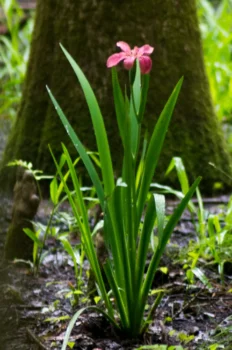
Copper Iris: A Native Wetland Beauty for Your Garden
If you’re looking for a stunning native plant that thrives in wet conditions, meet the copper iris (Iris fulva) – a true gem of American wetlands. This perennial beauty brings unique reddish-copper blooms and architectural foliage to gardens that celebrate our native flora.
What Makes Copper Iris Special?
The copper iris stands out from its more common purple and yellow cousins with its distinctive reddish-brown to copper-colored flowers. Also known simply as copper iris, this native species (Iris fulva) creates a striking focal point in any wetland garden setting. As a forb – essentially a non-woody flowering plant – it returns year after year, growing from underground rhizomes that slowly spread to form attractive colonies.
Where Copper Iris Calls Home
This beauty is truly American-born, native to the southeastern and south-central United States. You’ll find wild populations flourishing across Alabama, Arkansas, Florida, Georgia, Illinois, Kentucky, Louisiana, Mississippi, Missouri, Ohio, Tennessee, and Texas. It’s particularly at home in the Gulf Coast regions and Mississippi River valley.
- Species observed
- No observations
Why Your Garden (and Local Wildlife) Will Love It
Copper iris isn’t just a pretty face – it’s an ecological powerhouse. As a native species, it provides nectar for local pollinators including native bees and butterflies. The distinctive red flowers bloom conspicuously in mid-spring, creating a spectacular display when most other plants are just getting started.
Growing to about 3.3 feet tall with a moderate growth rate, copper iris creates excellent vertical structure in the landscape. Its sword-like green foliage provides texture and interest even when not in bloom, and the rhizomatous growth form means it gradually fills in to create natural-looking colonies.
Perfect Spots for Planting
Here’s where copper iris really shines – it’s an obligate wetland species, which means it almost always occurs in wet conditions. This makes it perfect for:
- Rain gardens and bioswales
- Pond and water feature edges
- Bog gardens
- Natural wetland restorations
- Areas with poor drainage where other plants struggle
If you have that soggy spot in your yard where grass won’t grow, copper iris might be exactly what you need!
Growing Conditions That Make Copper Iris Thrive
Copper iris is surprisingly adaptable within its preferred wet conditions. Here’s what it needs to flourish:
- Moisture: High water needs – loves consistently moist to wet soils
- Soil: Adapts to both fine and medium-textured soils, tolerates pH from 5.0 to 8.5
- Sunlight: Full sun to partial shade (shade tolerant)
- Climate: Hardy in USDA zones 6-9, needs at least 180 frost-free days
- Drainage: Thrives in anaerobic (low oxygen) conditions that would kill many plants
Planting and Care Tips
The good news? Copper iris is relatively low-maintenance once established in the right conditions. Here’s how to get started:
- When to plant: Spring is ideal for establishment
- Propagation: Can be grown from seed, bulbs, or tubers; commercially available from native plant nurseries
- Spacing: Plant 2,728 to 19,360 plants per acre depending on desired density
- Root depth: Needs at least 16 inches of soil depth
- Maintenance: Divide clumps every 3-4 years to prevent overcrowding
With high seedling vigor and moderate vegetative spread, established plants will gradually naturalize in suitable conditions.
Is Copper Iris Right for Your Garden?
Copper iris is an excellent choice if you:
- Have consistently wet or poorly drained areas
- Want to support native wildlife and pollinators
- Appreciate unique flower colors and architectural foliage
- Are creating a rain garden or wetland restoration
- Live within its native range and want to celebrate local flora
However, it’s not the right fit if you have dry conditions or well-drained soils – this plant really does need that moisture to thrive.
By choosing copper iris, you’re not just adding beauty to your landscape – you’re creating habitat, supporting local ecosystems, and celebrating the unique natural heritage of American wetlands. Now that’s something worth growing!