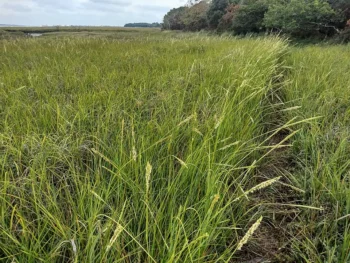
Cordgrass: The Wetland Wonder That’s Making Waves in Native Gardening
If you’ve ever wondered about those tall, graceful grasses swaying near wetlands and coastal areas, you’ve likely encountered cordgrass (Spartina). This perennial grass genus has been quietly doing the heavy lifting in some of our most challenging landscapes, and it might just be the unsung hero your garden needs—if you choose the right species for your area.
What Exactly Is Cordgrass?
Cordgrass belongs to the grass family and encompasses several species that share some remarkable characteristics. These aren’t your typical lawn grasses—they’re specialized plants that have evolved to thrive in conditions that would make most other plants throw in the towel. Think of them as the tough guys of the plant world, built to handle what nature throws at them.
Where Does Cordgrass Call Home?
The geographical distribution of Spartina species is impressively wide-ranging. You can find various cordgrass species growing across an extensive area that includes most U.S. states from Alabama to Wyoming, Canadian provinces from Alberta to Newfoundland, and territories including Puerto Rico and the Virgin Islands. However—and this is important—different species are native to different regions, so not all cordgrasses are appropriate for every location.
- Species observed
- No observations
The Native Status Puzzle
Here’s where things get a bit complicated with cordgrass. While some Spartina species are definitively native to places like Puerto Rico, St. Pierre and Miquelon, and the U.S. Virgin Islands, the native status for many areas in Canada and the lower 48 states varies depending on the specific species. This is exactly why it’s crucial to research which cordgrass species (if any) are truly native to your specific region before planting.
Why Wildlife Loves Cordgrass
Don’t let anyone tell you cordgrass isn’t pulling its weight in the ecosystem! While it may not be the flashiest plant in terms of wildlife appeal, it definitely has its fans:
- Terrestrial birds find it quite tasty, making up 10-25% of their diet and using it occasionally for cover
- Water birds enjoy it moderately, with cordgrass comprising 5-10% of their diet
- Small mammals and large animals use it more sparingly (2-5% of diet) but appreciate it for sparse cover
It’s not the plant equivalent of a five-star restaurant, but it’s definitely a reliable neighborhood diner for wildlife!
Garden Design Possibilities
If you’re working with challenging growing conditions, cordgrass might be your new best friend. These grasses excel in roles where many other plants simply can’t survive. They’re particularly valuable for:
- Erosion control in wet areas
- Wetland restoration projects
- Naturalized landscape designs
- Areas with variable moisture conditions
The tall, architectural form of cordgrass can add vertical interest and movement to a landscape, especially when planted in masses. Their seed heads provide late-season interest and can look quite striking against a winter sky.
The Planting Reality Check
Before you rush out to plant cordgrass, here’s the essential homework: research which Spartina species (if any) are native to your specific area. Some cordgrass species have become problematic invaders when planted outside their native range, while others are perfect candidates for restoration work in their home territories.
If you discover that a native cordgrass species is appropriate for your location, you’ll generally find them to be low-maintenance plants once established. They typically prefer consistently moist to wet soils and can handle conditions that would stress many other plants.
The Bottom Line for Gardeners
Cordgrass represents both an opportunity and a responsibility. These plants can be incredible assets for the right garden in the right location—particularly if you’re dealing with challenging wet conditions or working on habitat restoration. However, the key word here is right. The wide distribution of various Spartina species across North America means there’s likely a native option for many gardeners, but it also means there are non-native options that could cause problems.
Before adding any cordgrass to your landscape, take the time to identify which species are native to your area and choose accordingly. Your local native plant society or extension office can be invaluable resources in making this determination. When planted responsibly, cordgrass can be a wonderful addition to the right garden—helping support local wildlife while thriving in conditions where other plants might struggle.