Corkbark Fir: A High-Altitude Beauty for Specialized Gardens
If you’ve ever hiked through the high mountains of the American Southwest and admired those stately conifers with distinctive whitish, corky bark, you’ve likely encountered the corkbark fir (Abies lasiocarpa var. arizonica). This stunning native tree is both a blessing and a challenge for gardeners – beautiful beyond measure, but definitely not for everyone.
What Makes Corkbark Fir Special
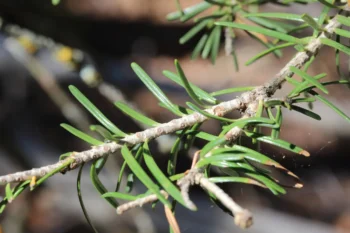
The corkbark fir is essentially the southwestern variety of subalpine fir, and it’s got personality written all over its bark – literally. That characteristic corky, cream-colored to grayish-white bark is its calling card, making it instantly recognizable even from a distance. The tree forms a classic Christmas-tree silhouette with blue-green to silvery-green needles that catch the light beautifully.
As a perennial tree, corkbark fir typically grows as a single-trunked specimen reaching impressive heights of 13 feet or more, though in harsh mountain conditions, it might stay more compact and multi-stemmed.
Where It Calls Home
This tree is native to the lower 48 states, specifically calling the high-elevation mountains of Arizona, Colorado, and New Mexico home. We’re talking about elevations typically above 8,000 feet, where the air is thin and winters are long and cold.
- Species observed
- No observations
Should You Plant Corkbark Fir?
Here’s where things get interesting (and a bit complicated). While corkbark fir is undeniably gorgeous and native to its range, it comes with some important considerations:
The Reality Check
This tree has very specific needs that make it challenging for most gardeners:
- It thrives in USDA hardiness zones 3-6, requiring genuinely cold winters
- Needs high elevation conditions – think mountain environments
- Struggles in hot, humid, or low-elevation conditions
- Requires excellent drainage and cool, moist summers
Conservation Considerations
Corkbark fir has a somewhat uncertain conservation status, which means if you do decide to plant it, make sure you source it responsibly from reputable nurseries that propagate their own stock rather than wild-collecting.
Growing Corkbark Fir Successfully
If you live in the right climate zone and elevation, here’s how to give this mountain beauty its best shot:
Ideal Growing Conditions
- Location: Full sun with some protection from harsh winds
- Soil: Well-draining, slightly acidic to neutral soil
- Water: Consistent moisture but never waterlogged
- Climate: Cool summers and cold winters are essential
Planting and Care Tips
Plant young trees in early spring or fall, giving them plenty of space to reach their mature size. Mulch around the base to maintain soil moisture and temperature, but keep mulch away from the trunk. Avoid fertilizing heavily – these trees are adapted to nutrient-poor mountain soils.
The biggest challenge? Patience. These trees grow slowly, especially when young, but the wait is worth it for that distinctive bark and mountain majesty.
Landscape Role and Wildlife Benefits
In the right setting, corkbark fir makes an outstanding specimen tree or can be used in naturalistic mountain landscapes. While it’s wind-pollinated rather than insect-pollinated, mature trees do provide habitat and food sources for mountain wildlife, including birds and small mammals.
The Bottom Line
Corkbark fir is absolutely stunning and ecologically valuable, but it’s definitely a specialist’s tree. If you live at high elevation in its native range and can provide the cool, well-drained conditions it craves, it could be a showstopping addition to your landscape. However, if you’re dealing with hot summers, humid conditions, or low elevations, you’ll likely have better success with other native conifers better suited to your specific conditions.
Remember, successful gardening is about working with your environment, not against it – and sometimes that means admiring certain trees in their natural mountain homes rather than trying to coax them into gardens where they’ll struggle.