Corkscrew Beggarticks: A Rare Hawaiian Native Worth Protecting
Meet the corkscrew beggarticks (Bidens torta), a fascinating little shrub that calls Hawaii home. This perennial plant might not be the showiest member of the sunflower family, but it holds a special place in Hawaii’s native ecosystem – and unfortunately, it’s becoming increasingly rare.
What Makes Corkscrew Beggarticks Special?
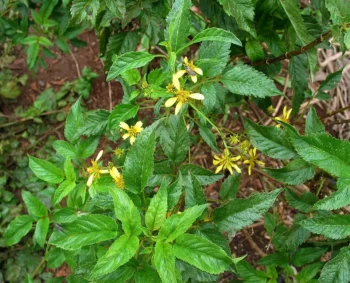
Corkscrew beggarticks is a low-growing shrub that typically stays under 1.5 feet tall, though it can occasionally reach up to 3 feet at maturity. True to its family heritage, this Hawaiian endemic produces small, cheerful yellow flowers that resemble tiny daisies. The plant gets its common name from its distinctive twisted seed structures, though you might also see it referred to by its scientific name, Bidens torta.
This species is found exclusively in Hawaii, making it a true island treasure. It grows naturally in the state’s dry to mesic forests, where it has adapted to the unique volcanic soils and climate conditions.
- Species observed
- No observations
A Plant in Need of Protection
Here’s where things get serious: corkscrew beggarticks has a Global Conservation Status of S2S3, which means it’s considered imperiled to vulnerable. This rare status makes it a plant that needs our protection rather than casual cultivation.
If you’re passionate about growing native Hawaiian plants and want to include this species in your garden, please ensure you source it responsibly from reputable native plant nurseries or conservation programs. Never collect seeds or plants from wild populations.
Growing Conditions and Care
Corkscrew beggarticks thrives in USDA hardiness zones 10-11, making it suitable only for tropical climates like Hawaii or similar warm regions. The plant prefers:
- Well-draining volcanic or sandy soils
- Partial shade to full sun exposure
- Moderate water requirements (it’s classified as facultative upland, meaning it usually grows in non-wetland areas)
- Warm, stable temperatures year-round
Role in the Garden and Landscape
This compact shrub works beautifully in native Hawaiian garden designs and restoration projects. Its low-growing habit makes it perfect for:
- Understory plantings in native forest gardens
- Rock gardens with volcanic stone
- Native plant collections focused on Hawaiian endemics
- Educational gardens showcasing rare Hawaiian flora
Benefits for Wildlife and Pollinators
Like other members of the Bidens family, corkscrew beggarticks likely provides nectar for various pollinators. In its native habitat, it may support native Hawaiian insects and could also attract introduced species like honeybees. However, its primary value lies in supporting the overall biodiversity of Hawaiian ecosystems.
The Bottom Line
Corkscrew beggarticks represents something precious – a piece of Hawaii’s unique natural heritage. While it may not be the easiest plant to find or grow, supporting its cultivation through responsible sourcing helps ensure this rare species doesn’t disappear from our world.
If you’re lucky enough to live in Hawaii or a similar climate and can source this plant ethically, you’ll be participating in an important conservation effort. Just remember: with rare plants comes great responsibility. Handle with care, and never take from the wild.