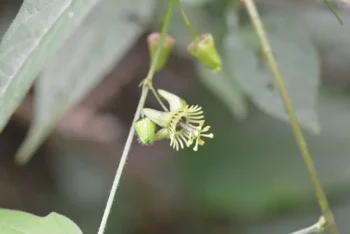
Corkystem Passionflower: A Delicate Vine with Tropical Appeal
Meet the corkystem passionflower (Passiflora suberosa), a charming little vine that’s quite different from its flashy passion vine cousins. Also known as huehue haole in Hawaii, this perennial climber brings subtle beauty to gardens with its delicate foliage and tiny flowers, though it won’t win any awards for showstopping blooms.
Where Does Corkystem Passionflower Come From?
This petite passionflower is native to the Caribbean region, including Puerto Rico and the U.S. Virgin Islands. You’ll also find it growing naturally in Hawaii, where it was introduced and has made itself quite at home, reproducing freely in the wild.
- Species observed
- No observations
What Does It Look Like?
Don’t expect the spectacular flowers you might associate with other passion vines. Corkystem passionflower is much more understated, featuring:
- Small, three-lobed leaves that create an attractive, fine-textured foliage display
- Tiny greenish-yellow flowers, only about half an inch across
- Small purple-black berries that follow the flowers
- A sprawling, herbaceous growth habit that can climb or trail along the ground
Is This Plant Right for Your Garden?
Corkystem passionflower works well in specific situations, but it’s not for every garden. Here’s what to consider:
The Good: It’s incredibly low-maintenance, drought-tolerant once established, and provides interesting texture in naturalized areas. The small flowers do attract some pollinators, particularly smaller insects, and the berries can provide food for wildlife.
The Not-So-Good: This vine can spread readily and may become more aggressive than you’d like. Its flowers are quite small and not particularly showy, so don’t plant it expecting dramatic blooms.
Since corkystem passionflower isn’t native to most areas where it’s grown, consider exploring native alternatives first. Look for indigenous vines or ground covers that provide similar texture and wildlife benefits while supporting your local ecosystem.
Growing Conditions and Care
If you decide to give corkystem passionflower a try, you’ll find it remarkably adaptable:
- Climate: Thrives in USDA hardiness zones 9b through 11
- Light: Tolerates everything from partial shade to full sun
- Soil: Adapts to various soil types, though well-draining soil is preferred
- Water: Drought-tolerant once established, but appreciates occasional watering during dry spells
- Wetland tolerance: Prefers upland conditions in most regions, though it can handle some moisture in Hawaii
Planting and Maintenance Tips
Growing corkystem passionflower is refreshingly simple:
- Plant in spring after the last frost danger has passed
- Give it space to spread, or be prepared to prune regularly
- Provide support if you want it to climb, or let it trail as ground cover
- Prune occasionally to keep it in bounds – this vine can get enthusiastic about spreading
- Water regularly until established, then reduce frequency
Garden Design Ideas
Corkystem passionflower works best in:
- Naturalized or wild garden areas where its spreading habit is welcome
- Tropical or subtropical landscape designs
- Wildlife gardens where you want to provide food sources for small creatures
- Areas where you need quick coverage with minimal maintenance
The Bottom Line
Corkystem passionflower is like that quiet friend who’s always reliable but never demands attention. It won’t dazzle you with spectacular flowers, but it’ll provide steady, low-maintenance greenery and some wildlife value. Just keep an eye on its spreading tendencies, and consider whether a native alternative might better serve both your garden and local wildlife. If you’re in a tropical climate and want an easy-care vine that won’t fuss at you, this little passionflower might just fit the bill.