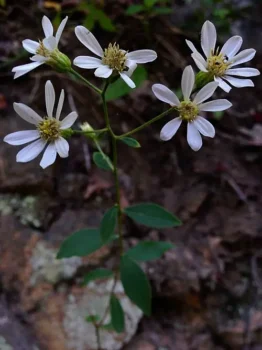
Cornel-Leaf Whitetop: A Hidden Gem for Shade Gardens
If you’re looking to add a touch of late-season magic to your shade garden while supporting native wildlife, let me introduce you to a charming but lesser-known wildflower: cornel-leaf whitetop (Doellingeria infirma). This delicate native perennial might not be the showiest plant in the garden center, but it’s got some serious hidden talents that make it worth seeking out.
What Makes Cornel-Leaf Whitetop Special?
Cornel-leaf whitetop is a native herbaceous perennial that belongs to the aster family. Unlike its more boisterous cousins, this gentle woodland dweller produces clusters of small, white daisy-like flowers that bloom when many other plants are calling it quits for the season. The flowers appear in flat-topped clusters during late summer and early fall, providing a subtle but important source of nectar when pollinators need it most.
This plant has quite the collection of former names too – botanists have shuffled it around over the years, calling it everything from Aster humilis to Doellingeria humilis. But regardless of what you call it, this little forb (that’s garden-speak for a non-woody flowering plant) has been quietly doing its thing in eastern North American forests for centuries.
Where Does It Call Home?
Cornel-leaf whitetop is native to a good chunk of the eastern United States, naturally occurring from Florida up to Massachusetts and as far west as Alabama and Ohio. You’ll find it growing wild in states including Connecticut, Delaware, Georgia, Kentucky, Maryland, New Jersey, New York, North Carolina, Pennsylvania, South Carolina, Tennessee, Virginia, West Virginia, and even the District of Columbia.
- Species observed
- No observations
A Word of Caution: This Beauty is Becoming Rare
Here’s where things get a bit serious. In New Jersey, cornel-leaf whitetop has earned a rarity status of S2, meaning it’s considered rare and vulnerable in that state. This makes it all the more important to grow – but only if you can source it responsibly. Never collect plants from the wild, and always purchase from reputable native plant nurseries that propagate their own stock. By growing this plant in your garden, you’re essentially creating a refuge for a species that needs our help.
Why Your Garden (and Local Wildlife) Will Love It
Late-season pollinators absolutely adore cornel-leaf whitetop. When most flowers have faded, this plant steps up to provide crucial nectar for butterflies, native bees, and other beneficial insects preparing for winter. It’s like running a 24-hour diner for pollinators when everywhere else is closing down.
The plant also has excellent manners in the garden – it won’t take over like some of its more aggressive relatives, instead spreading slowly and politely by underground stems. Deer tend to leave it alone too, which is always a bonus for gardeners dealing with browsing pressure.
Growing Cornel-Leaf Whitetop Successfully
The good news is that once you find this plant, it’s relatively easy to grow. Here’s what it needs to thrive:
Ideal Growing Conditions
- Light: Partial shade to full shade (it’s a woodland plant at heart)
- Soil: Moist, well-draining soil with good organic content
- Water: Consistent moisture, but not waterlogged
- Climate: Hardy in USDA zones 4-8
Perfect Garden Spots
This plant shines in woodland gardens, shade borders, and naturalized areas. It’s perfect for that tricky spot under mature trees where grass struggles to grow. Consider pairing it with other native woodland wildflowers like wild ginger, mayapple, or trout lily for a truly authentic forest floor experience.
Planting and Care Tips
- Plant in spring or fall when temperatures are moderate
- Amend heavy clay soils with compost to improve drainage
- Mulch around plants to retain moisture and suppress weeds
- Water regularly the first year until established
- Once established, it’s quite low-maintenance and drought-tolerant
- Allow spent flowers to remain for seed production and wildlife food
The Bottom Line
Cornel-leaf whitetop might not win any beauty contests, but it’s exactly the kind of plant that makes a garden truly special. It connects your landscape to the local ecosystem, supports struggling pollinator populations, and requires minimal fuss once established. Plus, there’s something deeply satisfying about growing a plant that’s becoming increasingly rare in the wild.
Just remember: if you decide to add this gentle native to your garden, make sure you’re purchasing from a reputable source that propagates their own plants. Your local native plant society or extension office can point you toward responsible suppliers. Together, we can help ensure that future generations get to enjoy the quiet beauty of cornel-leaf whitetop both in gardens and in the wild.