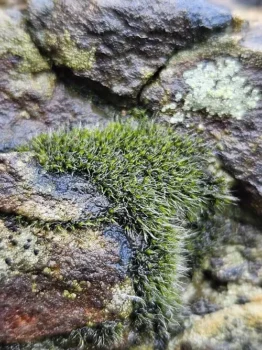
Coscinodon Moss: A Tiny Native Wonder You’ve Probably Never Noticed
Ever spotted tiny, cushion-like green patches clinging to rocks or old wood and wondered what they were? You might have been looking at coscinodon moss (Coscinodon cribrosus), one of North America’s lesser-known native moss species. While it may not grab headlines like flashy wildflowers, this humble little moss plays its own quiet role in our natural ecosystems.
What Exactly is Coscinodon Moss?
Coscinodon moss belongs to that fascinating world of bryophytes – the group that includes mosses, liverworts, and hornworts. These are some of Earth’s oldest land plants, and they’ve been perfecting their craft for millions of years. Unlike the flowering plants we typically think of when planning our gardens, mosses like Coscinodon cribrosus are non-vascular plants that reproduce through spores rather than seeds.
This particular moss is a terrestrial species, meaning it grows on land rather than in water. You’ll typically find it making itself at home on rocks, tree bark, or even old wooden structures – basically anywhere it can get a good grip and catch some moisture.
Where You’ll Find This Native Moss
As a native North American species, coscinodon moss has been quietly going about its business on our continent long before European settlers arrived. While specific distribution details for this species are limited in readily available sources, mosses in the Coscinodon genus are generally found across various regions of North America.
A Conservation Note
Here’s something interesting: Coscinodon cribrosus has a Global Conservation Status of S3S4, which puts it in a somewhat uncertain category regarding its abundance and stability. While this doesn’t mean it’s critically endangered, it does suggest that this little moss isn’t incredibly common and might benefit from our awareness and protection of its natural habitats.
Is Coscinodon Moss Beneficial in Gardens?
While you probably won’t be rushing to your local nursery to buy coscinodon moss (spoiler alert: they probably don’t carry it), this little plant can actually be quite beneficial when it shows up naturally in your garden space:
- It helps prevent soil erosion on slopes and rocky areas
- Provides habitat for tiny invertebrates and microorganisms
- Adds subtle texture and year-round green color to natural rock gardens
- Indicates good air quality, as many mosses are sensitive to pollution
- Requires zero maintenance once established
How to Identify Coscinodon Moss
Identifying specific moss species can be tricky business – even experienced botanists sometimes need a microscope and a good field guide. However, here are some general characteristics to look for:
- Small, cushion-like growth form
- Typically grows on rocks, bark, or wood rather than soil
- Forms small, dense patches or mats
- Stays green year-round in suitable conditions
- Produces tiny, inconspicuous reproductive structures (sporophytes) when conditions are right
If you think you’ve spotted coscinodon moss, remember that definitive identification often requires expert knowledge and sometimes even microscopic examination of leaf and spore characteristics.
Creating Moss-Friendly Spaces
While you can’t really plant coscinodon moss in the traditional sense, you can create conditions that welcome native mosses like this one:
- Maintain areas with rocks, logs, or natural wooden structures
- Avoid using harsh chemicals or fertilizers in areas where moss naturally occurs
- Keep some shaded, moist microclimates in your landscape
- Resist the urge to clean up every natural surface – sometimes the best thing we can do is let nature take its course
The Bottom Line
Coscinodon moss might not be the showstopper of your garden, but it’s one of those quiet, steady performers that helps make ecosystems work. If you’re lucky enough to have it appear naturally in your landscape, consider yourself blessed with a little piece of ancient botanical history. And who knows? Once you start noticing mosses, you might find yourself becoming one of those people who stops to admire the tiny, intricate worlds growing right under our noses.
Sometimes the smallest plants teach us the biggest lessons about patience, resilience, and finding beauty in the understated corners of our world.