Cosmopolitan Bulrush: The Wetland Workhorse Your Garden Might Need
If you’re looking for a plant that’s truly been around the block (or should we say, around the globe?), meet the cosmopolitan bulrush. This unassuming sedge has earned its cosmopolitan nickname by successfully establishing itself across multiple continents, making it one of nature’s most adaptable wetland plants.
What Exactly is Cosmopolitan Bulrush?
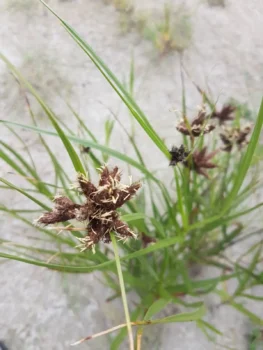
Cosmopolitan bulrush (Bolboschoenus maritimus) is a perennial sedge that might not win any beauty contests, but it’s absolutely essential in wetland ecosystems. This rhizomatous plant grows in dense colonies, reaching up to 3.2 feet tall with characteristic triangular stems and coarse, green foliage. Don’t expect showy flowers – this plant produces inconspicuous green flower clusters in late summer, followed by brown seeds that persist into fall.
Where Does It Call Home?
This plant has quite the passport! Cosmopolitan bulrush is native to Alaska and Hawaii, and you’ll find it growing naturally across an impressive range of states and provinces including Alberta, British Columbia, Arizona, California, Colorado, Connecticut, and many more stretching from coast to coast. It’s also found throughout most of Canada’s provinces and territories.
- Species observed
- No observations
The Wetland Specialist
Here’s what makes cosmopolitan bulrush special (and potentially challenging): it’s an obligate wetland plant across all regions where it grows. This means it almost always occurs in wetlands and requires consistently moist to wet conditions to thrive. If you don’t have naturally wet areas in your landscape, this probably isn’t the plant for you.
Growing Conditions That Make It Happy
Cosmopolitan bulrush is surprisingly adaptable when it comes to soil and environmental conditions, as long as you can meet its moisture requirements:
- Soil: Adapts to coarse, medium, and fine-textured soils
- pH tolerance: Quite flexible, handling acidic to neutral conditions (pH 4.0-7.0)
- Salinity: High salt tolerance makes it perfect for coastal areas
- Temperature: Hardy down to -23°F, suitable for USDA zones 3-10
- Sunlight: Full sun preferred (shade intolerant)
- Moisture: High anaerobic tolerance – it can handle waterlogged conditions
Should You Plant It?
The answer depends on your location and garden goals. If you’re in New Jersey, take note: this plant has an endangered status there, so you should only plant it using responsibly sourced material and consider it a conservation effort rather than a casual garden addition.
Cosmopolitan bulrush shines in:
- Wetland restoration projects
- Rain gardens and bioswales
- Pond and stream margins
- Erosion control along waterways
- Naturalized landscape areas with consistent moisture
Planting and Care Tips
If you decide this wetland specialist is right for your space, here’s how to help it establish successfully:
- Propagation: Grows readily from seed or vegetative sprigs
- Planting density: Space plants for 3,450-4,800 plants per acre for restoration projects
- Establishment: Moderate growth rate with medium seedling vigor
- Maintenance: Once established, it’s quite low-maintenance if moisture needs are met
- Spread: Moderate vegetative spread rate through rhizomes
The Wildlife Factor
While cosmopolitan bulrush may not be a pollinator magnet (it’s wind-pollinated), it serves important ecological functions in wetland ecosystems. The dense growth provides habitat structure, and the seeds can be a food source for waterfowl and other wildlife, though specific wildlife benefits aren’t well-documented.
The Bottom Line
Cosmopolitan bulrush isn’t the flashiest plant you’ll ever grow, but if you have wet areas in your landscape that need a tough, reliable plant, it could be exactly what you need. Just remember: this is a specialist that requires consistently wet conditions. Don’t try to force it into a typical garden bed – embrace its wetland nature and use it where it can truly thrive.
Before planting, always check your local native plant guidelines and source your plants responsibly, especially if you’re in areas where it has special conservation status. When grown in the right conditions, cosmopolitan bulrush proves that sometimes the most unassuming plants can be the most valuable members of your landscape team.