Cosmosflower Beggarticks: A Rare Hawaiian Native Worth Protecting
If you’re passionate about Hawaiian native plants and conservation gardening, you may have heard whispers about cosmosflower beggarticks (Bidens cosmoides). This isn’t your typical garden center find – it’s one of Hawaii’s botanical treasures that deserves both our admiration and careful protection.
What Makes Cosmosflower Beggarticks Special?
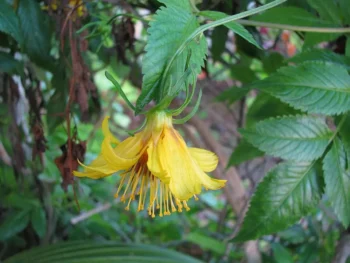
Cosmosflower beggarticks is a perennial climbing plant that’s endemic to Hawaii, meaning you won’t find it growing naturally anywhere else in the world. True to its name, this charming native produces delicate, cosmos-like flowers that add a touch of sunshine to its native landscape. As a twining climber with relatively long stems that can be either woody or herbaceous, it has a graceful, flowing growth habit that sets it apart from more common garden plants.
A Plant in Peril
Here’s where things get serious: cosmosflower beggarticks has a Global Conservation Status of S2, which means it’s imperiled. With typically only 6 to 20 occurrences remaining and somewhere between 1,000 to 3,000 individual plants left in the wild, this species is extremely rare and vulnerable to extinction. This rarity is due to habitat loss and other environmental pressures that have pushed this once-thriving native to the brink.
Where Does It Grow?
Cosmosflower beggarticks is found exclusively in Hawaii, where it clings to existence in scattered populations across the islands. Its natural habitat has been severely reduced, making each remaining population precious.
- Species observed
- No observations
Should You Grow Cosmosflower Beggarticks?
The short answer is: only if you can source it responsibly. Given its imperiled status, this isn’t a plant to seek out for casual gardening. However, if you’re involved in native plant conservation, work with botanical institutions, or have access to responsibly propagated material through conservation programs, growing this species can be part of important preservation efforts.
Important: Never collect this plant from the wild. Any cultivation should only be done with plants that have been ethically propagated through conservation programs or botanical institutions.
Growing Conditions and Care
If you’re fortunate enough to obtain cosmosflower beggarticks through proper conservation channels, here’s what you need to know:
- Climate: Thrives in USDA hardiness zones 10-11, requiring warm, tropical to subtropical conditions year-round
- Light: Prefers partial shade to full sun exposure
- Soil: Well-draining soil is essential – this plant doesn’t appreciate waterlogged conditions
- Water: Moderate moisture levels work best; avoid both drought stress and overwatering
- Support: As a climbing plant, it will need some form of support structure or companion plants to twine around
Garden Design and Landscape Role
In the right setting, cosmosflower beggarticks can play a unique role in specialized native Hawaiian gardens or botanical collections. Its climbing habit makes it suitable for:
- Native plant conservation gardens
- Educational botanical displays
- Specialized collections focusing on rare Hawaiian flora
- Research and propagation facilities
The delicate, cosmos-like flowers provide aesthetic appeal while supporting conservation efforts, making this plant more about preservation than pure ornamental value.
Pollinator and Wildlife Benefits
While specific wildlife benefits aren’t well-documented due to the plant’s rarity, native Hawaiian Bidens species typically support native insects and pollinators. By growing this plant responsibly, you’re potentially providing habitat for native Hawaiian fauna that co-evolved with this species.
The Bottom Line
Cosmosflower beggarticks represents both the beauty and fragility of Hawaii’s native flora. While most gardeners won’t – and shouldn’t – attempt to grow this rare species, it serves as an important reminder of what we stand to lose without dedicated conservation efforts. If you’re passionate about Hawaiian natives, consider supporting conservation organizations working to protect species like this one, or focus your gardening efforts on more readily available native Hawaiian plants that can still make a meaningful difference in your local ecosystem.
Remember: every native plant we grow responsibly in our gardens is a small act of conservation, but when it comes to rare species like cosmosflower beggarticks, our best contribution might simply be spreading awareness about their plight and supporting the dedicated professionals working to ensure they don’t disappear forever.