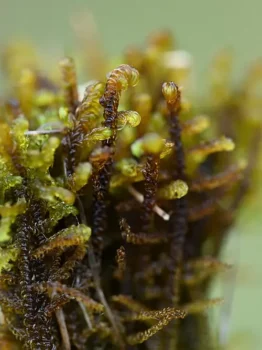
Cosson’s Limprichtia Moss: A Tiny Native Wonder for Your Garden
Meet Cosson’s limprichtia moss (Limprichtia cossonii), a small but fascinating native bryophyte that quietly goes about its business in North American landscapes. While it may not steal the show like a showy wildflower, this unassuming moss plays an important role in natural ecosystems and can bring subtle beauty to the right garden setting.
What Exactly Is Cosson’s Limprichtia Moss?
Limprichtia cossonii belongs to the bryophyte family – that’s the scientific way of saying it’s a moss. Unlike the flowering plants we’re used to, mosses are non-vascular plants that reproduce through spores rather than seeds. They’re some of nature’s most ancient land plants, having been around for over 400 million years!
This particular moss is a terrestrial species, meaning it grows on land rather than in water. You’ll typically find it attached to solid surfaces like rocks, tree bark, or fallen logs rather than growing directly in soil. It’s completely herbaceous (non-woody) and maintains a low, carpet-like growth habit.
Where Does It Come From?
Cosson’s limprichtia moss is native to North America, particularly thriving in the cooler northern regions including boreal and subarctic areas. Its natural range spans across the northern United States and into Canada, where it contributes to the complex tapestry of forest floor vegetation.
Is It Beneficial for Your Garden?
While Cosson’s limprichtia moss won’t attract butterflies or produce colorful blooms, it offers several subtle benefits:
- Natural ground cover: Creates a soft, green carpet in shaded areas where grass struggles
- Erosion control: Helps stabilize soil with its dense mat-like growth
- Moisture retention: Acts like a natural sponge, helping maintain consistent soil moisture
- Wildlife habitat: Provides shelter for tiny creatures like springtails and other micro-fauna
- Low maintenance: Once established, requires virtually no care
How to Identify Cosson’s Limprichtia Moss
Identifying this moss can be tricky without a magnifying glass, as many moss species look quite similar to the untrained eye. Here are some general characteristics to look for:
- Forms dense, low mats or cushions
- Bright to dark green coloration
- Small, overlapping leaves arranged in patterns
- Often found growing on rocks, logs, or tree bases
- Prefers shaded, moist environments
- Most active and vibrant during cool, damp conditions
Note: This species has several historical names (synonyms) including Drepanocladus intermedius, Limprichtia intermedia, and Scorpidium cossonii, so you might encounter it under different names in older botanical references.
Where Might You Find It?
If you live in the northern United States or Canada, you might already have Cosson’s limprichtia moss in your yard without realizing it! Look for it in:
- Shaded woodland areas
- North-facing slopes
- Areas around tree bases
- Rocky outcrops or stone walls
- Cool, moist microclimates in your landscape
Should You Encourage It?
As a native species, Cosson’s limprichtia moss is absolutely worth encouraging if it appears naturally in your garden. It’s completely harmless and contributes to local biodiversity. If you’re interested in creating a more naturalistic landscape or establishing a moss garden, this species can be a wonderful addition to shaded areas where traditional ground covers struggle.
However, keep in mind that mosses like this one prefer cooler, consistently moist conditions and may not thrive in hot, dry climates or sunny exposures. They’re best suited for woodland gardens, rock gardens, or naturalistic landscapes that mimic their preferred forest floor habitat.
The Bottom Line
While Cosson’s limprichtia moss may not be the star of your garden, it’s one of those quiet contributors that adds texture, helps with moisture management, and supports the tiny creatures that make ecosystems tick. If you discover it growing naturally on your property, consider yourself lucky to host this ancient lineage of plants that has been perfecting the art of simple living for hundreds of millions of years!