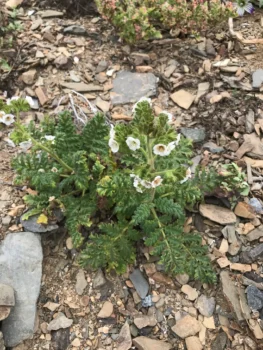
Costa Baja Phacelia: A Rare Native Worth Knowing About
Meet Costa Baja phacelia (Phacelia ixodes), a charming little annual that’s quietly making its home in the sunny landscapes of California. While you might not find this plant at your local garden center, it’s worth getting to know – especially if you’re passionate about supporting native biodiversity in your garden.
What Makes Costa Baja Phacelia Special?
This delicate annual belongs to the waterleaf family and grows as what botanists call a forb – essentially a soft-stemmed herbaceous plant that lacks woody tissue. Think of it as the gentle cousin in the plant world, completing its entire life cycle in just one growing season.
Costa Baja phacelia is proudly native to the lower 48 states, specifically calling California home. Its distribution is quite limited, which brings us to an important point about this particular plant.
- Species observed
- No observations
A Word About Rarity
Here’s where things get interesting – and important. Costa Baja phacelia has a Global Conservation Status of S3S4, which means it’s considered moderately rare. This isn’t a plant you’ll stumble across on every hiking trail or find growing wild in abandoned lots.
If you’re considering adding this native beauty to your garden, that’s wonderful! Native plants are fantastic for supporting local ecosystems. However, because of its rarity status, it’s crucial to source seeds or plants responsibly. This means:
- Purchase from reputable native plant nurseries
- Ensure the source material wasn’t collected from wild populations
- Look for nurseries that propagate from ethically obtained seed stock
- Never collect seeds or plants from wild populations yourself
The Mystery of Growing Costa Baja Phacelia
Here’s where we hit a bit of a puzzle. While we know this annual forb is native to California’s warmer regions, detailed cultivation information is surprisingly scarce. This isn’t uncommon for rare native plants – they often haven’t been extensively studied for garden use.
What we can reasonably assume, based on its native habitat and annual nature, is that Costa Baja phacelia likely prefers:
- Well-draining soil (most California natives do)
- Sunny locations
- Minimal summer water once established
- Fall or early spring planting for cool-season growth
Supporting Native Plant Conservation
Sometimes the best way to support a rare native plant isn’t necessarily to grow it in your garden, but to support its conservation in other ways. Consider:
- Supporting organizations that work to protect California’s native plant habitats
- Growing other, more common Phacelia species that provide similar ecological benefits
- Learning about and protecting any remaining wild populations in your area
- Participating in citizen science projects that help track rare plant populations
Alternative Native Choices
If you’re drawn to the idea of growing native Phacelia species but want something more readily available, consider looking into other California native Phacelia species that are less rare and have more established cultivation practices. These alternatives can provide similar ecological benefits while being easier to source responsibly.
The Bottom Line
Costa Baja phacelia represents something special in the native plant world – a reminder that not every beautiful native species is meant for widespread cultivation. Sometimes, appreciating these plants means protecting them in their wild spaces while choosing more common natives for our gardens.
If you do decide to seek out this rare gem for your garden, remember that responsible sourcing isn’t just good practice – it’s essential for ensuring that future generations can also appreciate Costa Baja phacelia in both wild and cultivated settings.