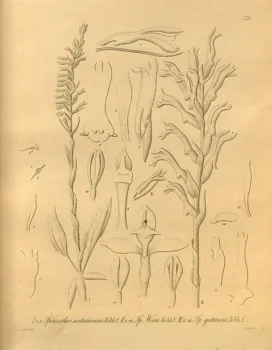
Costa Rican Lady’s Tresses: A Mysterious Florida Orchid
If you’ve stumbled across the name Costa Rican lady’s tresses while researching native Florida plants, you’ve discovered one of the most enigmatic orchids in North America. Despite its common name suggesting Central American origins, Beloglottis costaricensis is actually considered native to the United States, specifically Florida.
What Exactly Is Costa Rican Lady’s Tresses?
Costa Rican lady’s tresses is a perennial terrestrial orchid that belongs to the fascinating world of native orchids. Like other members of the lady’s tresses group, it likely produces small white or cream-colored flowers arranged in a distinctive spiral pattern along a central spike. The botanical name Beloglottis costaricensis was previously known as Spiranthes costaricensis, connecting it to the more familiar Spiranthes genus of lady’s tresses orchids.
Where Does It Grow?
This mysterious orchid is documented as occurring in Florida, making it one of the state’s rarest native orchids. However, finding reliable information about current populations or specific habitats proves challenging, suggesting this species may be extremely rare or possibly even extinct in the wild.
- Species observed
- No observations
Should You Try to Grow Costa Rican Lady’s Tresses?
Here’s the short answer: probably not, and here’s why:
- Extreme rarity: This orchid appears to have very limited documented occurrences
- Specialized requirements: Like most native orchids, it likely requires specific soil fungi (mycorrhizae) to survive
- No cultivation information: There’s virtually no reliable information about successfully growing this species
- Conservation concerns: Any remaining populations should be left undisturbed
Better Alternatives for Your Garden
If you’re interested in growing native Florida orchids, consider these more garden-friendly alternatives:
- Nodding lady’s tresses (Spiranthes cernua): More widely available and adaptable
- Spring lady’s tresses (Spiranthes vernalis): Another native option with better cultivation success
- Native wildflowers: Consider easier native plants that provide similar ecological benefits
The Bigger Picture
Costa Rican lady’s tresses serves as a reminder of how much we still don’t know about our native plant heritage. Many of our rarest orchids exist in such small numbers or specialized habitats that they remain mysterious even to botanists. Rather than trying to grow this elusive species, the best thing gardeners can do is:
- Support habitat conservation efforts
- Plant other native species that help maintain ecosystem health
- Report any suspected orchid sightings to local botanists or native plant societies
- Choose readily available native plants that provide proven benefits to pollinators and wildlife
While Costa Rican lady’s tresses might remain a botanical mystery, there are plenty of other native Florida plants that can bring beauty and ecological value to your garden without the guesswork. Sometimes the most responsible thing a gardener can do is admire from afar and focus on the natives we can successfully grow and enjoy.