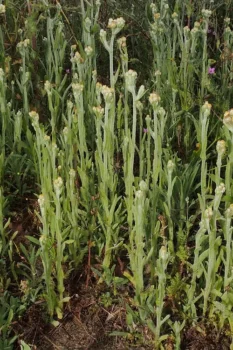
Cottonbatting Plant: A Humble Native Worth Getting to Know
If you’re looking for a low-maintenance native plant that won’t demand much attention but still pulls its weight in the garden, meet the cottonbatting plant (Pseudognaphalium stramineum). This unassuming little wildflower might not win any beauty contests, but it’s got character and some pretty impressive survival skills that make it a worthy addition to the right garden setting.
What Exactly Is Cottonbatting Plant?
Cottonbatting plant is a native North American forb – that’s botanist-speak for a soft-stemmed herbaceous plant that isn’t a grass. It’s an annual or biennial, meaning it completes its life cycle in one to two years. The plant gets its common name from its distinctive woolly, cotton-like appearance, particularly noticeable on the leaves and stems.
You might also encounter this plant under its former scientific names, including Gnaphalium chilense or Gnaphalium stramineum, if you’re browsing older gardening resources or seed catalogs.
Where Does It Call Home?
This adaptable native has quite an impressive range across North America. You’ll find wild populations stretching from British Columbia down through the western states including Arizona, California, Colorado, Idaho, Montana, Nevada, New Mexico, Oregon, Utah, Washington, and Wyoming. It also pops up in some unexpected eastern locations like New York, North Carolina, South Carolina, Virginia, Nebraska, Oklahoma, and Texas.
- Species observed
- No observations
The Look: Understated But Charming
Let’s be honest – cottonbatting plant won’t stop traffic with flashy blooms. Instead, it offers a more subtle beauty with its silvery-gray, woolly foliage that feels soft to the touch. The small flowers are white to pale yellow and appear in clusters, giving the plant a delicate, almost ethereal quality when backlit by morning or evening sun.
The woolly texture isn’t just for show – it’s actually a clever adaptation that helps the plant conserve moisture and protect itself from harsh weather conditions.
Why Consider Growing Cottonbatting Plant?
Here’s where this humble native really shines:
- Ultra-low maintenance: Once established, it’s practically self-sufficient
- Drought tolerant: Perfect for water-wise gardening
- Pollinator friendly: Attracts small native bees and other beneficial insects
- Self-seeding: Will naturalize in suitable conditions without becoming aggressive
- Adaptable: Thrives in various soil types and moisture levels
Where It Fits in Your Garden
Cottonbatting plant works best in naturalized settings rather than formal garden borders. Consider it for:
- Native plant gardens
- Xeriscape or drought-tolerant landscapes
- Wildflower meadows
- Ground cover in informal areas
- Transitional zones between cultivated and wild spaces
Its facultative wetland status means it’s comfortable in both moist and dry conditions, making it particularly versatile for areas with variable moisture levels.
Growing Conditions and Care
One of the best things about cottonbatting plant is how easy-going it is about growing conditions:
- Sun requirements: Full sun to partial shade
- Soil: Well-draining soils preferred, but adapts to various soil types
- Water: Drought tolerant once established; minimal irrigation needed
- Hardiness: Suitable for USDA zones 4-9
Planting and Care Tips
Getting started with cottonbatting plant is refreshingly simple:
- Seeding: Direct seed in fall or early spring when soil temperatures are cool
- Spacing: Scatter seeds thinly – this plant will find its own preferred spacing
- Watering: Keep soil lightly moist until germination, then reduce watering significantly
- Maintenance: Virtually none required once established
- Self-seeding: Allow some plants to go to seed if you want natural propagation
Wildlife and Ecological Benefits
While cottonbatting plant might seem modest, it plays an important role in supporting local ecosystems. The flowers provide nectar for small native bees and other beneficial insects, while the seeds can provide food for small birds. Its ability to establish in disturbed soils also makes it valuable for natural habitat restoration.
Is Cottonbatting Plant Right for You?
This native is perfect for gardeners who appreciate understated beauty and want to support local wildlife without a lot of fuss. It’s ideal if you’re looking to create naturalized areas, need something for challenging growing conditions, or want to add texture and subtle color to native plant combinations.
However, if you prefer showstopper flowers or formal garden aesthetics, you might want to look elsewhere. Cottonbatting plant is definitely more about quiet charm than bold statements.
Consider giving this humble native a try in your next naturalized planting – you might be surprised by how much character it adds to the landscape, and your local pollinators will certainly appreciate the gesture.