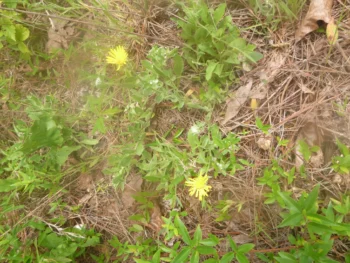
Cottony Goldenaster: A Charming Native Wildflower for Southern Gardens
Meet the cottony goldenaster (Chrysopsis gossypina gossypina), a delightful native wildflower that brings both texture and late-season color to southeastern gardens. This unassuming perennial might just become your new favorite low-maintenance plant!
What Makes Cottony Goldenaster Special
Don’t let the name fool you – this isn’t your typical showy garden star. The cottony goldenaster gets its common name from its distinctive silvery-white, fuzzy foliage that feels soft to the touch. Come fall, this modest plant surprises gardeners with clusters of bright yellow, daisy-like flowers that seem to glow against the cottony backdrop.
As a native forb (that’s garden-speak for a non-woody flowering plant), cottony goldenaster has been thriving in the southeastern United States long before European settlers arrived. This perennial knows how to survive and flourish in the challenging conditions of its homeland.
Where Does It Call Home?
Cottony goldenaster is native to the coastal plains and sandy regions of the southeastern United States, naturally occurring in Alabama, Florida, Georgia, North Carolina, South Carolina, and Virginia. If you live in these states, you’re in luck – this plant is perfectly adapted to your local conditions!
- Species observed
- No observations
Why Your Garden (and Local Wildlife) Will Love It
Here’s where cottony goldenaster really shines as a garden addition:
- Pollinator magnet: Those cheerful yellow flowers are like a beacon for butterflies, native bees, and other beneficial insects, especially during the crucial late-season blooming period when many other flowers have finished
- Drought champion: Once established, this tough little plant laughs in the face of dry spells
- Sandy soil specialist: While other plants struggle in poor, sandy soils, cottony goldenaster thrives
- Low maintenance: Perfect for gardeners who want beauty without the fuss
- Native authenticity: Supporting local ecosystems while creating a sense of place in your landscape
Perfect Garden Companions and Landscape Roles
Cottony goldenaster works beautifully in several garden settings:
- Native plant gardens: Pairs wonderfully with other southeastern natives
- Coastal landscapes: Handles salt spray and sandy conditions like a champ
- Xeriscapes: An excellent choice for water-wise gardening
- Naturalized areas: Let it spread and create drifts of silvery foliage
- Pollinator gardens: Essential late-season nectar source
Growing Cottony Goldenaster Successfully
The beauty of this native plant lies in its simplicity. Here’s how to keep your cottony goldenaster happy:
Ideal Growing Conditions
- Sunlight: Full sun (6+ hours daily)
- Soil: Well-drained, sandy soils preferred – avoid heavy clay or waterlogged areas
- Hardiness: Thrives in USDA zones 8-10
- Water: Drought tolerant once established, minimal supplemental watering needed
Planting Tips
- Plant in spring after the last frost
- Space plants 12-18 inches apart for natural spreading
- No soil amendments needed in sandy soils – this plant actually prefers poor conditions
- Water regularly the first season to establish roots, then step back and let nature take over
Care and Maintenance
- Minimal care required – truly a plant it and forget it species
- Deadhead spent flowers if you prefer a tidier look, or leave them for wildlife
- Allow the plant to go dormant naturally in winter
- Division every few years can help rejuvenate clumps and provide new plants
Is Cottony Goldenaster Right for Your Garden?
This charming native is perfect if you’re looking for a low-maintenance plant that supports local wildlife while adding unique texture and seasonal interest to your landscape. It’s especially valuable for gardeners dealing with challenging sandy soils or drought conditions.
However, if you prefer more dramatic, showy flowers or need a plant for shady areas, you might want to consider other native options better suited to those conditions.
A Sustainable Choice
By choosing cottony goldenaster, you’re not just adding a beautiful plant to your garden – you’re supporting biodiversity, conserving water, and celebrating the natural heritage of the southeastern United States. Sometimes the most rewarding garden choices are the ones that work with nature rather than against it.
Give this unassuming native a try, and you might be surprised by how much charm and ecological value it brings to your outdoor space!