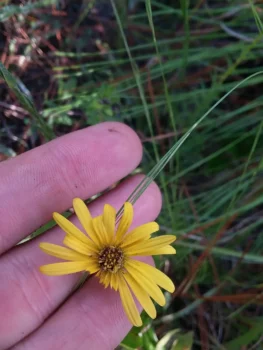
Cottony Goldenaster: A Southeastern Native Wildflower Worth Knowing
If you’re looking to add some golden sunshine to your native plant garden, let me introduce you to cottony goldenaster (Chrysopsis gossypina hyssopifolia). This charming southeastern native might not be the most well-known wildflower on the block, but it’s definitely worth considering if you’re gardening in the Deep South and want to support local ecosystems.
What Makes Cottony Goldenaster Special?
Cottony goldenaster is a perennial forb – basically a non-woody flowering plant that comes back year after year. As part of the sunflower family (Asteraceae), it produces those classic daisy-like blooms that pollinators absolutely adore. The cottony part of its name likely refers to some fuzzy characteristics of the plant, though specific details about its appearance can be a bit elusive in botanical literature.
This native wildflower is truly a child of the Southeast, naturally occurring in Alabama, Florida, Louisiana, and Mississippi. When you plant cottony goldenaster, you’re not just adding beauty to your landscape – you’re preserving a piece of regional botanical heritage.
- Species observed
- No observations
Why Gardeners Love (or Should Love) This Native
Here’s why cottony goldenaster deserves a spot in your garden:
- Native credentials: As a true southeastern native, it’s perfectly adapted to local conditions and supports regional wildlife
- Pollinator magnet: Those golden blooms attract butterflies, native bees, and other beneficial insects
- Low maintenance: Once established, native plants typically require less water and care than non-natives
- Perennial reliability: Plant it once, enjoy it for years
- Wildflower charm: Perfect for naturalized areas and native plant gardens
Growing Cottony Goldenaster Successfully
Ready to give this southeastern beauty a try? Here’s what you need to know:
Growing Conditions
Like most goldenasters, cottony goldenaster likely prefers full sun and well-draining soil. These plants typically thrive in the same conditions as other southeastern natives – think bright, open areas with good drainage. Given its native range, it should handle the heat and humidity of southern summers like a champ.
Hardiness and Planting Zones
Based on its native distribution, cottony goldenaster should be hardy in USDA zones 8-10. If you’re gardening in Alabama, Florida, Louisiana, or Mississippi, you’re in the sweet spot for growing this native.
Garden Design Ideas
Cottony goldenaster works beautifully in:
- Native plant gardens
- Wildflower meadows
- Naturalized landscapes
- Pollinator gardens
- Low-maintenance border areas
A Word of Caution: Limited Availability
Here’s the honest truth about cottony goldenaster – it’s not exactly flying off the shelves at your local garden center. This native can be challenging to find in the nursery trade, which means you might need to do some detective work to locate seeds or plants. Consider reaching out to native plant societies, specialty native plant nurseries, or botanical gardens in your area.
The Bottom Line
Cottony goldenaster may be one of the lesser-known members of the goldenaster family, but that doesn’t make it any less valuable. For gardeners in the southeastern United States who are passionate about native plants and supporting local ecosystems, this perennial wildflower offers authentic regional character and important pollinator benefits.
While specific growing information can be limited, the general principles of native plant gardening apply: give it sun, ensure good drainage, and let it settle in. Once established, you’ll likely find it’s as tough and reliable as other southeastern natives.
If you can track down cottony goldenaster, you’ll be adding a true piece of southeastern botanical heritage to your garden – and your local pollinators will thank you for it!