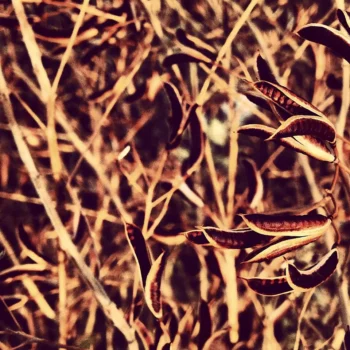
Coues’ Cassia: A Sunny Desert Native for Water-Wise Gardens
If you’re looking to add a splash of sunshine to your desert garden without breaking the water budget, let me introduce you to Coues’ cassia (Senna covesii). This cheerful little native might not be the flashiest plant on the block, but it’s got that reliable, no-fuss charm that makes it a gardener’s best friend in arid climates.
What Makes Coues’ Cassia Special
Coues’ cassia is a perennial herbaceous plant that brings bright yellow, pea-like flowers to the desert landscape. Also known by its scientific name Senna covesii (and formerly called Cassia covesii), this native beauty has been quietly thriving in the American Southwest long before we started worrying about water restrictions and xeriscaping.
As a forb herb, this plant stays relatively low to the ground and lacks the woody stems of shrubs or trees. Instead, it forms an attractive clump of compound leaves topped with clusters of golden blooms that seem to capture the desert sun itself.
Where You’ll Find This Desert Gem
Coues’ cassia is native to four southwestern states: Arizona, California, Nevada, and New Mexico. It’s particularly at home in the Sonoran and Mojave desert regions, where it has adapted to some pretty tough growing conditions over thousands of years.
- Species observed
- No observations
Why Your Garden (and Local Wildlife) Will Love It
Here’s where Coues’ cassia really shines as a garden plant:
- Pollinator magnet: Those bright yellow flowers are like a beacon for native bees and butterflies
- Water-wise warrior: Once established, it thrives on minimal irrigation
- Low maintenance: This plant pretty much takes care of itself
- Native credentials: Supporting local ecosystems while reducing garden maintenance
Perfect Garden Settings
Coues’ cassia fits beautifully into several garden styles:
- Desert and xeriscape gardens
- Rock gardens and gravel landscapes
- Native plant gardens
- Low-water Mediterranean-style gardens
- Wildlife habitat gardens
It works wonderfully as a specimen plant, in small groupings, or as part of a larger native plant community. The compact growth habit makes it suitable for smaller spaces too.
Growing Conditions and Care
The best part about Coues’ cassia? It actually prefers the conditions that challenge many other garden plants:
- Sun exposure: Full sun (6+ hours daily)
- Soil: Well-draining sandy or rocky soils – clay is a no-go
- Water: Low water needs once established
- Climate zones: USDA hardiness zones 8-10
Planting and Care Tips
Getting Coues’ cassia established is straightforward if you follow a few key guidelines:
When to plant: Fall is ideal, giving roots time to establish before summer heat arrives.
Planting process: Dig a hole only as deep as the root ball but twice as wide. Backfill with native soil – no amendments needed (this plant actually prefers poor soil!).
Watering: Water deeply but infrequently during the first year. Once established, natural rainfall should suffice in most areas.
Maintenance: Light pruning after flowering helps maintain shape, but this plant is naturally well-behaved.
A Few Things to Keep in Mind
While Coues’ cassia is generally easy-going, there are a couple of considerations:
Drainage is absolutely critical – this desert native will quickly succumb to root rot in soggy conditions. If your soil doesn’t drain well naturally, consider raised beds or container growing.
Like many desert plants, it may go dormant during extreme heat or drought, which is completely normal. Don’t panic and start overwatering!
The Bottom Line
Coues’ cassia offers that perfect combination of native authenticity, pollinator appeal, and low-maintenance beauty that makes it a smart choice for water-conscious gardeners. While it might not be the showiest plant in the nursery, it’s the kind of reliable performer that quietly makes your garden better year after year.
If you’re gardening in zones 8-10 and want to support local wildlife while keeping your water bills reasonable, Coues’ cassia deserves a spot in your landscape. Your local bees will thank you, and your future self will appreciate having chosen such an adaptable, low-fuss native.