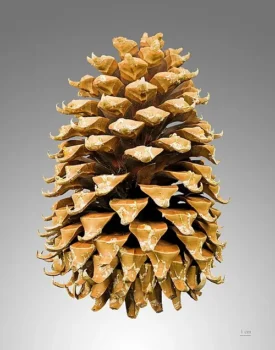
Coulter Pine: California’s Gentle Giant with Monster Cones
Meet the Coulter pine (Pinus coulteri), a California native that’s basically the gentle giant of the pine world – except for its absolutely massive cones that could probably knock you out if one fell on your head! This distinctive tree brings serious wow factor to any landscape with cones so large they’ve earned the nickname widowmakers. But don’t let that intimidate you – this beautiful native pine deserves serious consideration for the right garden space.
What Makes Coulter Pine Special?
The Coulter pine is a true California original, native exclusively to the Golden State’s mountainous regions. As a perennial tree species, it’s built to last, developing into a substantial single-stemmed specimen that can reach impressive heights of up to 80 feet at maturity. What really sets this pine apart, though, are those famous cones – they’re the largest of any North American pine and can weigh several pounds each!
The tree displays lovely dark green needles arranged in bundles of 3-5, creating dense foliage year-round. Its growth form starts out nicely conical when young, though it may develop a more irregular, character-filled crown as it ages. The bark is dark and furrowed, adding nice texture to the landscape.
Where Does Coulter Pine Grow Naturally?
This pine calls California home, growing naturally in the state’s chaparral and mixed conifer forest communities. You’ll find wild populations scattered through the southern California mountains, where they’ve adapted to the Mediterranean climate and well-draining soils.
- Species observed
- No observations
Is Coulter Pine Right for Your Garden?
Here’s the thing about Coulter pines – they’re absolutely magnificent, but they’re not for every garden. These trees need space, and lots of it. At maturity, they can reach 80 feet tall, so this is definitely a tree for larger properties or expansive landscapes.
Perfect for:
- Large residential properties with room to showcase a specimen tree
- Naturalistic or native plant gardens
- Drought-tolerant landscapes
- Properties wanting to support native California wildlife
- Areas where you want year-round evergreen structure
Maybe not ideal for:
- Small urban lots or tight spaces
- Areas where falling cones could be problematic (near walkways, patios, or cars)
- Gardens requiring fast results (this is a slow grower)
- Very wet or poorly-draining locations
Growing Conditions and Care
Coulter pines are surprisingly particular about their growing conditions, despite being tough California natives. Here’s what they need to thrive:
Soil Requirements:
- Well-draining, medium-textured soils work best
- Slightly acidic to neutral pH (5.5-7.0)
- Low fertility requirements – they’re not heavy feeders
Water and Climate Needs:
- Moderate drought tolerance once established
- Needs 35-60 inches of annual precipitation
- Requires at least 220 frost-free days
- Hardy in USDA zones 8-10
- Can handle temperatures down to about 12°F
Light Requirements:
- Full sun is essential – these pines are shade intolerant
- Don’t plant them where they’ll be overshadowed by other large trees
Planting and Care Tips
Getting your Coulter pine off to a good start is crucial since they’re slow growers. Here are the key points:
Planting:
- Plant in spring after the last frost
- Choose your location carefully – this tree doesn’t like to be moved once established
- Dig a hole twice as wide as the root ball but no deeper
- Ensure excellent drainage – soggy soils are a death sentence
Establishment Care:
- Water regularly the first year, then reduce as the tree establishes
- Mulch around the base to retain moisture and suppress weeds
- Be patient – growth is slow, typically reaching only 20 feet in 20 years
- Minimal fertilization needed; avoid high-nitrogen fertilizers
Ongoing Maintenance:
- Very low maintenance once established
- Minimal pruning needed – just remove dead or damaged branches
- Watch for falling cones in late summer and fall
Wildlife and Ecological Benefits
While Coulter pines don’t offer much for pollinators (they’re wind-pollinated), they’re fantastic for wildlife in other ways. The large, protein-rich seeds are prized by birds, squirrels, and other mammals. The tree also provides excellent nesting habitat and year-round shelter.
Propagation
Coulter pines are typically grown from seed, which is readily available commercially. Seeds require cold stratification before planting, mimicking natural winter conditions. You can also find young trees at native plant nurseries or specialty conifer growers.
The Bottom Line
The Coulter pine is a spectacular native tree that deserves consideration if you have the space and right conditions. Yes, it’s slow-growing and needs room to spread, but the payoff is a magnificent specimen tree that connects your landscape to California’s natural heritage. Just make sure you have a hard hat handy during cone season – those widowmakers live up to their reputation!
For California gardeners looking to create naturalistic landscapes with native plants, the Coulter pine offers unmatched character and ecological value. It’s a long-term investment that future generations will thank you for.