Coulter’s Saltbush: A Rare California Native Worth Protecting in Your Garden
If you’re passionate about California native plants and conservation gardening, Coulter’s saltbush (Atriplex coulteri) might just capture your heart – though you’ll need to approach this little shrub with extra care and responsibility. This unassuming perennial represents something special in the world of native gardening: a plant that’s both garden-worthy and desperately in need of our protection.
What Makes Coulter’s Saltbush Special
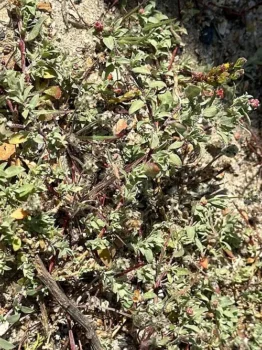
Coulter’s saltbush is a low-growing shrub that stays refreshingly compact, typically reaching just 1.5 feet tall and rarely exceeding 3 feet at maturity. Don’t expect flashy flowers or bold foliage – this plant’s beauty lies in its subtle, silvery-green presence and its remarkable ability to thrive where other plants struggle.
As a California native, this saltbush has evolved specifically for the Golden State’s unique coastal conditions. It’s currently found only in California, making it a true regional treasure that connects your garden to the local ecosystem.
- Species observed
- No observations
A Plant That Needs Our Help
Important conservation note: Coulter’s saltbush has a Global Conservation Status of S2, meaning it’s considered imperiled due to extreme rarity. With typically only 6 to 20 occurrences remaining and few individuals (1,000 to 3,000) left in the wild, this plant desperately needs our conservation efforts.
If you choose to grow Coulter’s saltbush, please only source it from reputable native plant nurseries that propagate their own stock responsibly. Never collect from wild populations – every wild plant is precious for the species’ survival.
Where Coulter’s Saltbush Shines in Your Garden
This hardy little shrub excels in several garden situations:
- Xeriscaping: Perfect for water-wise landscapes where drought tolerance is key
- Coastal gardens: Naturally salt-tolerant, making it ideal for seaside conditions
- Rock gardens: Its low growth habit and minimal water needs suit rocky, well-drained areas
- Erosion control: Helps stabilize slopes and problem areas
- Native plant gardens: An authentic piece of California’s botanical heritage
Growing Conditions and Care
Coulter’s saltbush thrives in USDA Hardiness Zones 9-11, which perfectly matches its native California coastal climate. Here’s what this resilient plant needs to flourish:
Soil: Well-draining, sandy soils work best. This plant has a wetland status of Facultative Upland, meaning it usually grows in non-wetland areas but can occasionally tolerate wetter conditions.
Sun: Full sun exposure brings out the best in this desert-adapted shrub.
Water: Once established, Coulter’s saltbush is extremely drought-tolerant. Water regularly during the first growing season, then reduce to occasional deep watering during extended dry periods.
Maintenance: This is a low-maintenance plant that doesn’t require fertilization. In fact, rich soils may cause problems for this adapted-to-lean-conditions shrub.
Planting Tips for Success
Start with responsibly sourced nursery plants rather than attempting to grow from wild-collected seed. Plant in fall or early spring when temperatures are moderate. Dig a hole twice as wide as the root ball but no deeper, and backfill with native soil – no amendments needed for this tough customer.
Space plants according to their mature size, allowing room for their natural spreading habit. While Coulter’s saltbush won’t provide showy pollinator resources (it’s wind-pollinated), it does offer habitat value for various wildlife species adapted to California’s coastal ecosystems.
Is Coulter’s Saltbush Right for Your Garden?
Consider growing Coulter’s saltbush if you’re committed to conservation gardening, have appropriate growing conditions (sandy, well-draining soil in a Mediterranean climate), and can source plants responsibly. While it may not be the showiest addition to your landscape, it offers something more valuable: a connection to California’s unique botanical heritage and a chance to help preserve a rare native species.
Remember, by choosing to grow rare native plants like Coulter’s saltbush, you’re not just adding to your garden – you’re participating in conservation efforts that help ensure these precious species survive for future generations.