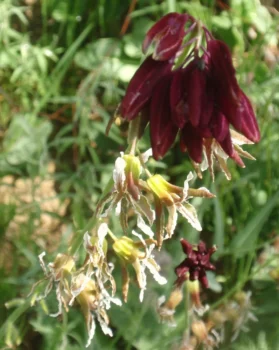
Coulter’s Wild Cabbage: A Resilient California Native for Water-Wise Gardens
If you’re looking to add some authentic California character to your drought-tolerant garden, Coulter’s wild cabbage (Caulanthus coulteri) might just be the unsung hero you’ve been searching for. Don’t let the wild cabbage name fool you – this isn’t something you’ll be tossing in your salad bowl. Instead, this slender annual brings understated beauty and impressive resilience to native plant gardens across the Golden State.
What Makes Coulter’s Wild Cabbage Special?
Caulanthus coulteri is a true California native, meaning it evolved right here in our diverse landscapes and knows exactly how to thrive in our Mediterranean climate. As an annual forb (that’s garden-speak for a non-woody plant that completes its life cycle in one year), this plant puts on its show and then gracefully bows out, often leaving behind seeds for next year’s performance.
This native beauty produces delicate clusters of small white to pale yellow flowers that dance along slender stems, creating an airy, naturalistic look that’s perfect for gardeners who appreciate subtle elegance over flashy blooms. The narrow leaves and upright growth habit give it an almost grass-like appearance from a distance, making it an excellent texture plant in native compositions.
Where Does It Call Home?
Coulter’s wild cabbage is endemic to California, where it naturally occurs in desert regions and on dry slopes throughout the state. You’ll find this resilient plant growing in some pretty tough conditions – sandy washes, rocky hillsides, and areas where many other plants would simply give up.
- Species observed
- No observations
A Note About Rarity
Here’s something important to keep in mind: Caulanthus coulteri has a conservation status that suggests it may be of some concern in the wild. If you’re interested in adding this plant to your garden, make sure you source seeds or plants from reputable native plant nurseries that practice responsible collection methods. Never collect from wild populations – instead, support nurseries that are helping to preserve these special California natives.
Perfect for the Right Garden
Coulter’s wild cabbage shines brightest in:
- Native plant gardens that celebrate California’s natural heritage
- Xeriscaping and drought-tolerant landscapes
- Rock gardens with well-draining conditions
- Naturalistic wildflower meadows
- Desert-themed gardens
This isn’t the plant for formal English gardens or lush, water-hungry landscapes. Instead, it’s perfect for gardeners who want to create spaces that feel connected to California’s natural beauty while using minimal water resources.
Supporting Local Wildlife
Like many members of the mustard family, Coulter’s wild cabbage produces small but important flowers that attract native pollinators, particularly small native bees. These tiny blooms might not look like much to us, but they’re valuable pit stops for our local pollinator populations. By including plants like this in your garden, you’re helping to support the intricate web of relationships that keep California’s ecosystems healthy.
Growing Conditions That Make It Happy
The secret to success with Coulter’s wild cabbage is simple: think desert, not rainforest. This plant thrives in USDA hardiness zones 8-10 and prefers:
- Full sun exposure
- Well-draining sandy or rocky soils
- Minimal summer water once established
- Poor to moderately fertile soil (rich soils can actually make it too lush)
Planting and Care Tips
Growing Coulter’s wild cabbage is refreshingly straightforward once you understand its preferences:
When to plant: Direct sow seeds in fall, allowing them to experience the natural winter chill and spring germination cycle that mirrors their wild behavior.
Soil preparation: If your soil holds water too long, amend with sand or small gravel to improve drainage. Remember, this plant evolved in some pretty harsh conditions!
Watering: Provide gentle water during germination and early growth, then back off significantly. Overwatering is more likely to kill this plant than underwatering.
Maintenance: Here’s the best part – Coulter’s wild cabbage requires virtually no maintenance once established. Let it complete its natural cycle, and you may find volunteer seedlings appearing in subsequent years.
Is This Plant Right for Your Garden?
Coulter’s wild cabbage is ideal for gardeners who:
- Want to support California’s native plant heritage
- Are creating water-wise landscapes
- Appreciate subtle, naturalistic beauty over bold displays
- Enjoy low-maintenance gardening
- Want to support local pollinators
However, it might not be the best choice if you’re looking for long-lasting perennial structure, bold colorful blooms, or plants for areas with regular irrigation.
By choosing to grow Coulter’s wild cabbage, you’re not just adding another plant to your garden – you’re participating in the preservation and celebration of California’s unique botanical heritage. Just remember to source responsibly and let this resilient native show you how beautiful simplicity can be.