Coville’s Indian Paintbrush: A Rare Mountain Gem for Your Native Garden
If you’re looking to add a splash of fiery color to your native plant garden, Coville’s Indian paintbrush (Castilleja covilleana) might just be the showstopper you’ve been searching for. This perennial wildflower brings the vibrant beauty of mountain meadows right to your backyard – though it comes with some special considerations that every responsible gardener should know about.
What Makes Coville’s Indian Paintbrush Special
Coville’s Indian paintbrush is a true American native, belonging to the lower 48 states and specifically calling the mountainous regions of Idaho and Montana home. As a perennial forb, this plant returns year after year, developing a non-woody structure that emerges from buds at or below ground level each growing season.
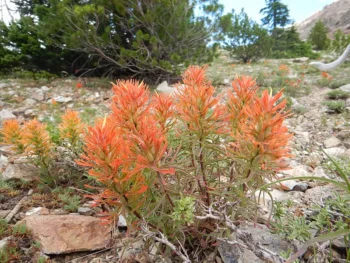
What really sets this plant apart is its stunning display of bright red-orange tubular flowers that bloom during the summer months. These eye-catching blooms don’t just look pretty – they’re perfectly designed to attract hummingbirds and butterflies, making this plant a valuable addition to any pollinator-friendly garden.
- Species observed
- No observations
Important Conservation Considerations
Here’s where things get serious, fellow gardeners. Coville’s Indian paintbrush has a Global Conservation Status of S3S4, which indicates it’s somewhat rare in its native range. This means that while you can certainly grow this beauty, you’ll want to be extra careful about sourcing your plants or seeds responsibly. Always purchase from reputable native plant nurseries that can verify their stock comes from ethical, sustainable sources – never collect from wild populations.
Garden Design and Landscape Role
This mountain native is perfect for:
- Native plant gardens that celebrate regional flora
- Wildflower meadows and naturalistic plantings
- Rock gardens that mimic alpine conditions
- Pollinator gardens designed to attract hummingbirds and butterflies
The vibrant blooms create stunning focal points and pair beautifully with other native grasses and wildflowers from similar habitats.
Growing Conditions and Care
Growing Coville’s Indian paintbrush successfully means recreating its mountain home environment. This plant thrives in:
- Well-draining soil that doesn’t stay soggy
- Full sun to partial shade conditions
- USDA hardiness zones 4-7, where it can handle cold mountain winters
- Areas with good air circulation
Planting and Care Tips
Fair warning: Coville’s Indian paintbrush can be a bit finicky to establish, like many of its Castilleja cousins. These plants may be hemiparasitic, meaning they form relationships with nearby host plants to supplement their nutrition. Here are some tips for success:
- Plant in spring after the last frost danger has passed
- Choose a location with excellent drainage – soggy roots are a death sentence
- Consider planting near native grasses that can serve as potential host plants
- Water moderately during establishment, then rely on natural rainfall
- Avoid heavy fertilization, as these plants are adapted to lean mountain soils
Wildlife and Pollinator Benefits
The tubular flowers of Coville’s Indian paintbrush are like tiny beacons for hummingbirds, whose long beaks are perfectly suited to reach the nectar within. Butterflies also visit these blooms, making this plant a double win for pollinator enthusiasts. By growing this native species, you’re providing authentic habitat that local wildlife has co-evolved with for thousands of years.
The Bottom Line
Coville’s Indian paintbrush is definitely worth growing if you can source it responsibly and provide the right mountain-like conditions. Its stunning flowers, pollinator appeal, and native status make it a valuable addition to appropriate gardens. Just remember to respect its conservation status and always choose ethically sourced plants. Your garden – and the hummingbirds – will thank you for the effort!