Cowbag Clover: A Humble Native Worth Knowing
Meet cowbag clover (Trifolium depauperatum), a charming little native that might not win any beauty contests but certainly earns its place in the native plant world. This unassuming annual clover brings subtle beauty and ecological value to gardens across much of North America, proving that sometimes the most modest plants offer the greatest rewards.
What Makes Cowbag Clover Special?
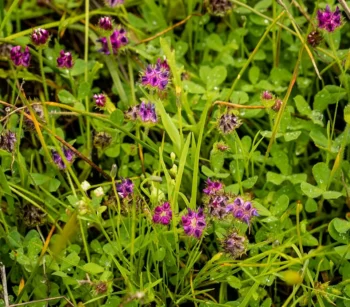
Don’t let the quirky name fool you – cowbag clover is a delightful native forb that deserves more recognition. As an annual herb, it completes its entire life cycle in one growing season, producing small clusters of white to pale pink flowers that may be tiny but pack a punch when it comes to supporting local wildlife.
This low-growing clover typically reaches just a few inches in height, making it perfect for filling in gaps in native plant gardens or naturalizing in meadow settings. Its classic three-leaflet clover leaves and diminutive flowers create a carpet of subtle texture and color that serves as an excellent backdrop for showier native wildflowers.
Where Does Cowbag Clover Call Home?
Cowbag clover is native to both Canada and the United States, with populations scattered across several regions. You’ll find this adaptable native growing wild in British Columbia, California, Michigan, Oregon, South Carolina, and Washington. This diverse geographic range speaks to its adaptability and hardiness.
- Species observed
- No observations
Why Gardeners Should Consider Cowbag Clover
While cowbag clover might not be the star of your garden show, it offers several compelling reasons to include it in your native landscape:
- Supports native pollinators with nectar-rich flowers
- Requires minimal care once established
- Tolerates poor soils where other plants struggle
- Adds authentic native character to wildflower meadows
- Self-seeds readily, creating natural colonies
- Takes up little space while providing ecological benefits
Growing Conditions and Care
One of cowbag clover’s best features is its easygoing nature. This adaptable annual thrives in USDA hardiness zones 4-9, though its presence varies by region. It prefers well-drained soils and performs best in full sun to partial shade conditions.
The plant’s wetland status varies by region – in some areas like the Midwest and Northeast, it’s considered an upland species that rarely occurs in wetlands, while in western regions it can tolerate both wet and dry conditions. This flexibility makes it suitable for various garden situations.
Planting and Establishment Tips
Getting cowbag clover started in your garden is refreshingly simple:
- Direct seed in fall or early spring when temperatures are cool
- Scatter seeds over prepared soil and lightly rake in
- Keep soil moist until germination occurs
- Thin seedlings if overcrowded, spacing plants 4-6 inches apart
- Once established, water only during extended dry periods
As an annual, cowbag clover will complete its life cycle in one season, but if allowed to set seed, it will often self-sow and return the following year.
Perfect Partners and Landscape Uses
Cowbag clover shines when used as part of a native plant community rather than as a standalone specimen. Consider pairing it with other native wildflowers and grasses to create authentic meadow plantings. It works particularly well in:
- Naturalized areas where you want low-maintenance native coverage
- Wildflower meadows as a supporting cast member
- Native plant gardens focused on ecological function
- Areas with poor soil where few other plants will thrive
Wildlife and Pollinator Benefits
Though small, cowbag clover’s flowers provide valuable nectar resources for native bees, beneficial insects, and other small pollinators. Its seeds may also provide food for small birds and ground-dwelling creatures. By including this modest native in your landscape, you’re contributing to the complex web of relationships that support local ecosystems.
The Bottom Line
Cowbag clover may not be the flashiest native plant you can grow, but it embodies many of the qualities that make native gardening so rewarding. It’s easy to grow, supports local wildlife, and adds authentic character to natural landscapes. For gardeners interested in creating ecologically meaningful spaces rather than just pretty pictures, cowbag clover deserves serious consideration.
Sometimes the most valuable garden contributors are the quiet ones working behind the scenes – and cowbag clover fits that description perfectly.