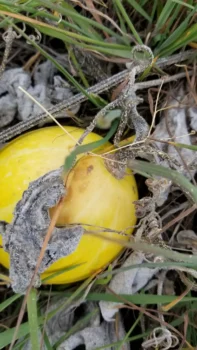
Coyote Gourd: The Desert’s Tough and Useful Native Vine
Looking for a plant that can handle the blazing desert sun while adding both beauty and function to your landscape? Meet the coyote gourd (Cucurbita palmata), a remarkable native plant that’s been thriving in the American Southwest long before any of us started worrying about water bills or drought restrictions.
What Makes Coyote Gourd Special?
This perennial vine is a true desert survivor. Unlike its cultivated cousins in the pumpkin patch, coyote gourd has evolved to thrive in some of the harshest conditions our continent has to offer. With its distinctive heart-shaped, deeply lobed leaves and cheerful yellow flowers, it brings a touch of wild beauty to any native garden.
The plant produces small, round gourds that turn from green to orange-yellow as they mature. These aren’t for your dinner table, but they’ve been used traditionally by indigenous peoples for various purposes, including as containers and rattles.
Where Does Coyote Gourd Call Home?
Coyote gourd is native to the southwestern United States, naturally occurring in Arizona, California, Nevada, and Utah. You’ll find it growing wild in desert washes, rocky slopes, and disturbed areas where other plants struggle to survive.
- Species observed
- No observations
Why You Might Want to Grow Coyote Gourd
Here are some compelling reasons to consider adding this native beauty to your landscape:
- Drought champion: Once established, it requires minimal watering
- Pollinator magnet: The bright yellow flowers attract bees and other beneficial insects
- Ground cover hero: Spreads to cover large areas and helps prevent soil erosion
- Low maintenance: Perfect for busy gardeners who want impact without constant care
- Native authenticity: Supports local ecosystems and wildlife
The Perfect Garden Match
Coyote gourd shines in desert gardens, xeriscape designs, and native plant landscapes. It’s particularly excellent for:
- Large, open areas that need ground cover
- Slopes prone to erosion
- Wildlife gardens focused on native species
- Water-wise landscapes
This isn’t the plant for formal English gardens or small, manicured spaces. It’s a spreader that likes room to roam!
Growing Conditions and Care
The beauty of coyote gourd lies in its simplicity. Here’s what it needs to thrive:
- Sunlight: Full sun exposure
- Soil: Well-draining soil (sandy or rocky soil is perfect)
- Water: Minimal once established – this plant actually prefers dry conditions
- Climate: Hardy in USDA zones 8-11
Planting and Care Tips
Getting coyote gourd established is refreshingly straightforward:
- Plant in spring after the last frost
- Give it plenty of space – this vine can spread 6-10 feet or more
- Water regularly during the first growing season, then reduce to minimal watering
- Don’t fertilize – rich soil can actually make the plant less hardy
- Allow the plant to go dormant in winter; it will return from underground tubers
A Word of Caution
While coyote gourd is a fantastic native plant, remember that it’s a vigorous spreader. Make sure you have adequate space and won’t mind it taking over a large area. Also, the gourds are not edible for humans, so don’t confuse this with edible squash varieties.
The Bottom Line
If you’re gardening in the Southwest and want a tough, beautiful, and ecologically valuable plant that practically grows itself, coyote gourd deserves serious consideration. It’s proof that native plants aren’t just good for the environment – they can make your gardening life a whole lot easier too.
Just remember to give it room to spread, sit back, and enjoy watching this desert survivor do what it does best: thrive where others struggle.