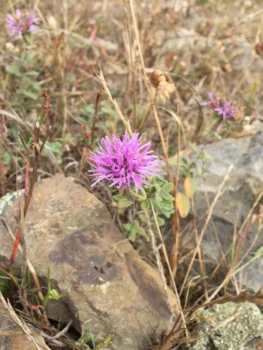
Coyote Mint: A Fragrant Native Gem for Western Gardens
If you’re looking for a delightfully aromatic native plant that brings both beauty and ecological benefits to your garden, let me introduce you to coyote mint (Monardella villosa villosa). This charming perennial herb might just become your new favorite addition to the landscape!
What Is Coyote Mint?
Coyote mint is a native perennial forb that belongs to the mint family, and like its relatives, it offers wonderfully fragrant foliage. As a forb, it’s an herbaceous plant without woody stems, making it a flexible addition to various garden settings. This native beauty has been gracing the landscapes of the American West for centuries, and now it can grace yours too.
Where Does Coyote Mint Call Home?
This lovely native species naturally occurs in California and Oregon, making it perfectly adapted to the unique growing conditions of the western United States. When you plant coyote mint, you’re not just adding a pretty plant to your garden – you’re supporting the local ecosystem that evolved alongside it.
- Species observed
- No observations
Why Choose Coyote Mint for Your Garden?
There are several compelling reasons to consider adding this native mint to your landscape:
- Native plant benefits: As a true native, coyote mint supports local wildlife and requires less water and maintenance than many non-native alternatives
- Aromatic appeal: The fragrant foliage releases a pleasant minty scent when brushed against or crushed
- Perennial reliability: Once established, this hardy perennial returns year after year
- Low-maintenance nature: Native plants are naturally adapted to local conditions, meaning less work for you
Perfect Garden Roles
Coyote mint fits beautifully into several garden styles and serves multiple purposes:
- Native plant gardens: An authentic choice for gardens focused on regional flora
- Wildlife gardens: Provides habitat and resources for native creatures
- Sensory gardens: The aromatic foliage adds a delightful fragrant element
- Water-wise landscapes: Once established, requires minimal supplemental watering
- Ground cover applications: Can help fill spaces with attractive, low-growing foliage
Growing Conditions and Care
Like most native plants, coyote mint thrives when you mimic its natural habitat conditions. While specific growing requirements can vary, most Monardella species prefer:
- Sun exposure: Full sun to partial shade
- Soil drainage: Well-draining soils (avoid soggy conditions)
- Water needs: Drought-tolerant once established, though moderate water during establishment helps
- Soil type: Adaptable to various soil types common in its native range
Planting and Establishment Tips
Getting your coyote mint off to a good start sets the stage for years of enjoyment:
- Timing: Plant in fall or early spring for best establishment
- Spacing: Allow adequate room for the plant to spread naturally
- Initial watering: Provide regular water during the first growing season to help roots establish
- Mulching: A light layer of mulch helps retain moisture and suppress weeds
- Patience: Native plants often take a season or two to fully establish, but the wait is worth it!
Supporting Your Local Ecosystem
By choosing coyote mint, you’re making a choice that benefits the broader environment. Native plants like this one have co-evolved with local wildlife, providing food sources and habitat that non-native plants simply cannot match. While the specific wildlife benefits of this subspecies aren’t fully documented, Monardella species are generally known to support various beneficial insects and other wildlife.
The Bottom Line
Coyote mint offers gardeners in California and Oregon a wonderful opportunity to grow a beautiful, fragrant, and ecologically beneficial native plant. Its perennial nature means you’ll enjoy its presence for years to come, while its native status ensures it’s well-suited to your local growing conditions. Whether you’re creating a dedicated native plant garden or simply want to add some aromatic appeal to your landscape, coyote mint deserves serious consideration.
Remember, the best garden is one that works with nature rather than against it – and choosing native plants like coyote mint is a perfect way to achieve that harmony!