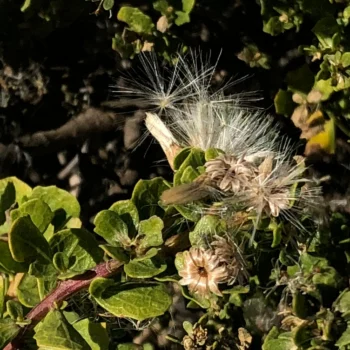
Coyotebrush: The Ultimate Low-Maintenance Native Groundcover
If you’re searching for a tough, drought-tolerant groundcover that practically grows itself, meet coyotebrush (Baccharis pilularis). This unassuming native shrub might not win any beauty contests, but it’s the reliable workhorse your garden has been waiting for.
What Is Coyotebrush?
Coyotebrush is a perennial native shrub that stays refreshingly low to the ground, typically growing under 1.5 feet tall and rarely exceeding 3 feet at maturity. Don’t let its modest size fool you – this hardy plant spreads into a dense, carpet-like groundcover that can transform challenging landscape areas into thriving green spaces.
Where Does Coyotebrush Come From?
This resilient plant is native to the western United States, naturally occurring in California, Oregon, and New Mexico. It’s perfectly adapted to the unique challenges of Pacific Coast and southwestern growing conditions, making it an excellent choice for gardeners in these regions who want to work with nature rather than against it.
- Species observed
- No observations
Why You’ll Love Growing Coyotebrush
Here’s where coyotebrush really shines – it’s practically indestructible once established. This plant thrives in conditions that would stress out more finicky species:
- Drought champion: High drought tolerance means less watering for you
- Salt tolerant: Perfect for coastal gardens dealing with salty air and soil
- Slope stabilizer: Excellent for erosion control on hillsides and banks
- Low maintenance: Requires minimal fertilizer and care
- Wildlife friendly: Late summer white flowers attract native bees and beneficial insects
Perfect Spots for Coyotebrush
Coyotebrush excels in naturalized landscapes, drought-tolerant gardens, and areas where you need reliable groundcover without the fuss. It’s particularly valuable for:
- Coastal gardens and seaside properties
- Slopes and areas prone to erosion
- Native plant and wildlife gardens
- Low-water landscape designs
- Areas with poor or sandy soils
Growing Conditions
The beauty of coyotebrush lies in its adaptability to challenging conditions. This plant actually prefers what many other plants would consider difficult growing situations:
- Sunlight: Full sun (shade intolerant)
- Soil: Well-draining, coarse to medium-textured soils preferred
- Water: Low water needs once established (12-30 inches annual precipitation)
- pH: Tolerates a range from 6.0 to 8.5
- Climate: USDA Hardiness Zones 7-10
Planting and Care Tips
Getting coyotebrush established is surprisingly straightforward:
- Planting: Spring planting works best, though container plants can be planted year-round in mild climates
- Spacing: Plant 700-1200 plants per acre for groundcover applications
- Initial care: Water regularly the first year to establish deep roots
- Maintenance: Once established, this plant practically cares for itself
- Pruning: Can be trimmed to maintain desired shape and size
Propagation Options
Coyotebrush is routinely available commercially and can be propagated through multiple methods including seeds, cuttings, bare root, and containers. Seeds are tiny – there are about 8.2 million per pound!
The Bottom Line
If you’re looking for a native plant that delivers reliable performance with minimal input, coyotebrush deserves serious consideration. While it may not have the showiest flowers or most dramatic foliage, its dependable nature and ecological benefits make it a valuable addition to the right landscape. This is the plant for gardeners who appreciate function alongside form and want to create habitat for native wildlife while reducing their garden maintenance workload.
Just remember – coyotebrush is happiest in full sun with good drainage. Give it these basics, and you’ll have a groundcover that thrives for years to come with minimal fuss from you.