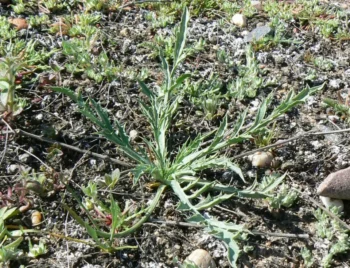
Coyotethistle: A Lesser-Known California Native Worth Discovering
If you’re on a quest to discover unique California native plants for your garden, you might want to get acquainted with coyotethistle (Eryngium vaseyi). This intriguing perennial forb belongs to the fascinating Eryngium genus, known for their distinctive spiny appearance and ecological benefits. While it might not be as famous as some of its botanical cousins, coyotethistle has its own special charm that’s worth exploring.
What Makes Coyotethistle Special?
Coyotethistle is a true California native, found exclusively in the Golden State. As a member of the Eryngium family, it shares the characteristic spiny, thistle-like appearance that gives these plants their distinctive look. This perennial forb grows as a herbaceous plant without woody stems, making it quite different from shrubs or trees in your garden landscape.
One of the most interesting aspects of coyotethistle is its relationship with water. It’s classified as a facultative wetland plant, which means it usually prefers moist conditions but can adapt to drier sites as well. This flexibility makes it particularly valuable in California’s varied climate conditions.
Where Does Coyotethistle Grow?
This native gem is endemic to California, meaning you won’t find it growing wild anywhere else in the world. Its natural habitat spans across the state’s diverse ecosystems, where it has adapted to both the Arid West and Western Mountains regions.
- Species observed
- No observations
Why Consider Coyotethistle for Your Garden?
There are several compelling reasons to consider adding this native plant to your landscape:
- True California native: Supporting local ecosystems by growing plants that naturally belong in your area
- Water-wise potential: Its facultative wetland status suggests it can handle both moist and moderately dry conditions
- Unique aesthetic: The spiny, architectural form typical of Eryngium species adds textural interest
- Pollinator potential: Like other members of its genus, it likely supports native pollinators
- Low maintenance: As a native perennial, it should thrive with minimal intervention once established
Garden Design Ideas
Coyotethistle would likely shine in:
- Native plant gardens focused on California flora
- Water-wise landscapes that incorporate both dry and moist areas
- Naturalistic plantings that mimic California’s wild spaces
- Pollinator gardens designed to support local wildlife
The Challenge: Limited Growing Information
Here’s where things get interesting (and a bit challenging): coyotethistle appears to be one of those lesser-documented native plants. While we know it’s a California native with wetland tendencies, specific information about cultivation, hardiness zones, and detailed growing requirements is surprisingly scarce in common gardening resources.
This doesn’t mean you should avoid it – quite the opposite! It means this plant represents an opportunity to work with native plant specialists, local botanists, or California native plant societies to learn more about successful cultivation.
Getting Started with Coyotethistle
If you’re intrigued by this native plant, here’s your best path forward:
- Connect with experts: Reach out to California Native Plant Society chapters or local native plant nurseries
- Start small: Try growing one or two plants in different microclimates to see what works best
- Observe and document: Keep notes on its performance to contribute to the growing knowledge base
- Consider its wetland status: Provide consistent moisture, especially during establishment
- Be patient: Native plants often take time to establish but reward you with long-term resilience
The Bottom Line
Coyotethistle represents the exciting world of lesser-known native plants waiting to be rediscovered by home gardeners. While it may require a bit more detective work than your typical garden center perennial, the reward of growing a true California endemic – and potentially contributing to its cultivation knowledge – makes it worth the effort.
If you’re passionate about native plants and enjoy being a bit of a plant pioneer, coyotethistle might be exactly the kind of unique addition your garden has been waiting for. Just remember to source your plants responsibly from reputable native plant suppliers, and don’t hesitate to reach out to local experts who can help guide your growing adventure.