Discovering Cracked Lichen: The Fascinating Acarospora fuscata in Your Landscape
Have you ever noticed those crusty, cracked patches adorning rocks and bare soil in dry landscapes? Meet the cracked lichen, scientifically known as Acarospora fuscata – a remarkable organism that’s more fascinating than it first appears. While you won’t find this native North American species at your local garden center, understanding what it is and recognizing its presence can deepen your appreciation for the complex ecosystems thriving right in your backyard.
What Exactly Is Cracked Lichen?
Here’s where things get interesting: cracked lichen isn’t actually a plant at all! It’s a lichen – a unique partnership between fungi and algae working together in perfect harmony. This collaboration creates those distinctive brownish to grayish crusty patches you might spot scattered across rocky surfaces and dry soils throughout North America.
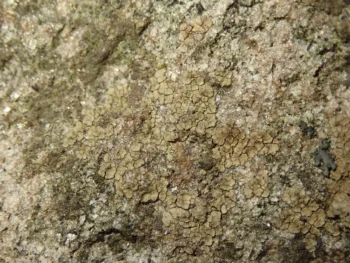
The cracked part of its common name becomes obvious once you know what to look for. As the lichen grows and ages, its surface develops characteristic fissures and cracks, creating a puzzle-piece appearance that’s quite striking when you take the time to observe it closely.
Where You’ll Find This Native Wonder
Acarospora fuscata calls North America home, with a particular fondness for arid and semi-arid regions. You’re most likely to encounter this native lichen in areas with:
- Rocky outcrops and stone surfaces
- Dry, exposed soil
- Desert and prairie environments
- Areas with minimal plant competition
This lichen has adapted beautifully to harsh conditions where many traditional plants would struggle to survive.
Identifying Cracked Lichen in the Wild
Spotting Acarospora fuscata is like becoming a nature detective. Look for these telltale characteristics:
- Crusty, flat appearance: Forms tight patches against rock or soil surfaces
- Distinctive cracking pattern: Develops angular cracks as it matures
- Color variations: Ranges from light gray to brownish, sometimes with darker borders
- Small size: Individual patches are typically just a few centimeters across
- Habitat preference: Found in dry, exposed locations
Is Cracked Lichen Beneficial to Your Garden?
While you can’t exactly plant cracked lichen like you would a flower or shrub, its presence in your landscape is actually a positive sign! Here’s why this humble organism deserves your respect:
Soil Health Indicator: Healthy lichen populations often indicate good air quality and minimal pollution – essentially, they’re nature’s air quality monitors.
Erosion Control: Though small, lichen communities help stabilize soil and rock surfaces, preventing erosion in vulnerable areas.
Ecosystem Foundation: Lichens contribute to the food web, providing sustenance for various small creatures and contributing to nutrient cycling.
Aesthetic Value: Once you start noticing them, these intricate patterns add subtle beauty and texture to natural rock gardens and wild spaces.
Living Alongside Cracked Lichen
Since Acarospora fuscata isn’t something you can purchase or cultivate, the best approach is simply to appreciate and protect any existing populations on your property. Here are some ways to coexist peacefully:
- Avoid disturbance: Try not to scrape or damage lichen-covered surfaces during landscaping projects
- Minimize chemicals: Lichens are sensitive to air pollution and chemicals, so reducing pesticide use benefits them
- Create compatible conditions: If you’re designing a rock garden or dry landscape, you’re creating habitat that lichens might naturally colonize
- Practice patience: Lichens grow incredibly slowly – some patches might be decades or even centuries old
The Bottom Line
While you won’t be heading to the nursery to pick up cracked lichen for your garden, recognizing and appreciating Acarospora fuscata adds another layer of wonder to your outdoor spaces. This native North American lichen represents the incredible diversity of life forms that can thrive in challenging conditions, reminding us that gardens and natural landscapes are home to far more than just the plants we typically notice.
Next time you’re exploring rocky areas or dry landscapes, take a moment to look closely at those crusty patches. You might just be observing a remarkable partnership that’s been quietly thriving in North America for countless generations – and that’s pretty amazing when you think about it!