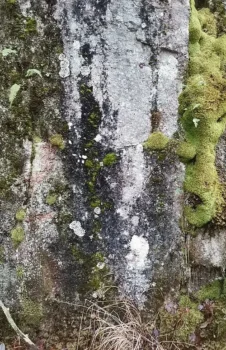
Crater Lichen: The Fascinating Crusty Garden Visitor You Never Knew You Had
Have you ever noticed those peculiar crusty, grayish patches dotting the rocks or tree bark in your garden? Meet the crater lichen (Diploschistes scruposus), one of nature’s most underappreciated garden inhabitants. This isn’t your typical flowering plant – it’s actually a fascinating composite organism that’s probably been quietly living in your landscape longer than you realize!
What Exactly Is Crater Lichen?
Crater lichen belongs to the remarkable world of lichens – organisms that are neither plant nor animal, but rather a symbiotic partnership between fungi and algae. Think of it as nature’s ultimate roommate situation, where both partners benefit from living together. The fungal partner provides structure and protection, while the algae partner produces food through photosynthesis.
This particular lichen species is native to North America and can be found naturally occurring across the continent. It’s also known by its scientific name Diploschistes scruposus, and you might occasionally see it referred to by its historical synonym, Urceolaria scruposa.
How to Identify Crater Lichen
Spotting crater lichen is easier than you might think once you know what to look for:
- Forms thick, crusty patches that appear grayish to whitish in color
- Creates distinctive crater-like structures called apothecia – these are the craters that give this lichen its common name
- Typically grows on rock surfaces, tree bark, or other hard substrates
- Has a somewhat warty or bumpy texture when viewed up close
- Can range from small patches to larger colonies covering several inches
Is Crater Lichen Beneficial for Your Garden?
Absolutely! While you can’t exactly plant crater lichen like you would a tomato or rose bush, its presence in your garden is actually a wonderful sign. Here’s why you should celebrate finding it:
Air Quality Indicator: Lichens are incredibly sensitive to air pollution. Finding crater lichen growing naturally in your garden is like having a living air quality monitor – it indicates that your local environment has relatively clean air.
Ecosystem Support: These crusty communities provide habitat and food sources for various tiny creatures, including mites and springtails, which contribute to your garden’s overall biodiversity.
Natural Beauty: Once you start noticing lichens, you’ll appreciate the subtle beauty and texture they add to rock walls, tree trunks, and stone surfaces in your landscape.
Creating Lichen-Friendly Conditions
While you can’t plant crater lichen from seed or transplant it like conventional garden plants, you can encourage its natural establishment:
- Maintain good air quality around your property by avoiding excessive use of chemicals
- Provide suitable surfaces like untreated stone walls, natural rock features, or mature trees
- Allow natural moisture cycles – lichens absorb water directly from rain and humidity
- Practice patience – lichens grow very slowly and may take years to establish visible colonies
Living Alongside Your Lichen Neighbors
The best approach to crater lichen is simply to appreciate it when it appears naturally. Avoid using harsh chemicals or power washing surfaces where lichens are growing, as these can damage or destroy these slow-growing organisms.
Remember, finding crater lichen in your garden is actually a compliment to your environmental stewardship. It means you’re providing habitat for one of nature’s most fascinating partnerships – and that’s something worth celebrating!
Next time you’re wandering through your garden, take a moment to look closely at those rock walls and tree trunks. You might just discover you’ve been hosting these remarkable crater-dwelling residents all along.