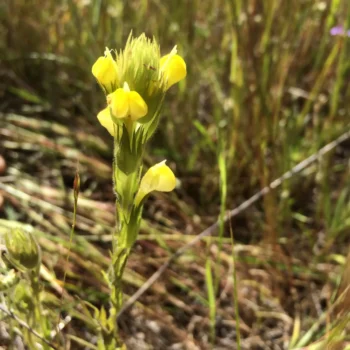
Cream Sacs: A Rare Native Annual for West Coast Gardens
If you’re on the hunt for lesser-known native plants to add some unique character to your West Coast garden, you might have stumbled across cream sacs (Castilleja rubicundula lithospermoides). This intriguing little annual is one of those plants that flies under the radar—so much so that even seasoned gardeners might do a double-take when they hear the name.
What Are Cream Sacs?
Cream sacs belong to the paintbrush family and are classified as an annual forb. In plant-speak, that means it’s a non-woody herbaceous plant that completes its entire life cycle in one growing season. You might also see this plant listed under its old scientific names, Orthocarpus lithospermoides, as botanical naming has evolved over time.
This native beauty calls the lower 48 states home, specifically thriving in California and Oregon. It’s a true West Coast native that has adapted to the unique conditions of the Pacific region.
- Species observed
- No observations
The Challenge with Cream Sacs
Here’s where things get a bit tricky—and honestly, quite fascinating from a botanical perspective. Cream sacs fall into that category of native plants that are so specialized or uncommon that detailed growing information is surprisingly scarce. While we know it’s native and annual, specifics about its appearance, exact habitat preferences, and cultivation requirements remain somewhat mysterious in readily available gardening resources.
Should You Grow Cream Sacs in Your Garden?
The short answer is: it’s complicated. While there’s something undeniably appealing about growing a rare native plant, the lack of readily available information presents some practical challenges:
- Limited availability from nurseries or seed suppliers
- Unknown specific growing requirements
- Uncertain garden performance and aesthetic value
- Difficulty finding cultivation guidance
Alternative Native Options
If you’re drawn to the idea of growing native Castilleja species, consider these better-documented alternatives that offer similar ecological benefits:
- Indian paintbrush (Castilleja miniata) – vibrant red blooms
- Scarlet paintbrush (Castilleja coccinea) – striking scarlet flowers
- Prairie paintbrush (Castilleja sessiliflora) – adaptable and colorful
These relatives of cream sacs are more widely available, better understood by gardeners, and still provide the native plant benefits you’re looking for.
The Bottom Line
While cream sacs represent an interesting piece of our native plant heritage, they’re probably best left to specialized botanical collections or researchers until more information becomes available about their cultivation needs. For the average home gardener wanting to support native ecosystems, focusing on well-documented native plants will give you better results and more reliable garden performance.
Sometimes the most responsible thing we can do as gardeners is acknowledge when a plant might be better appreciated in its natural habitat rather than in our gardens—at least until we understand it better.