Creeping Blueberry: A Low-Maintenance Native Ground Cover for Southern Gardens
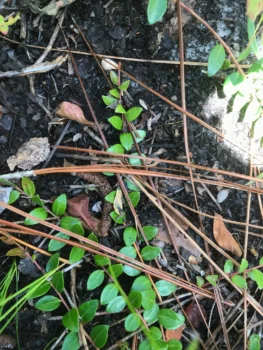
If you’re looking for a native ground cover that’s as practical as it is charming, meet the creeping blueberry (Vaccinium crassifolium). This delightful little shrub might not produce the plump berries you’d find at the grocery store, but it offers something even better for your landscape: year-round beauty, wildlife support, and virtually zero drama once established.
What Makes Creeping Blueberry Special?
Creeping blueberry is a native perennial shrub that stays low to the ground, typically reaching only 6-12 inches in height but spreading 2-4 feet wide. This evergreen charmer keeps its small, leathery leaves throughout the year, providing constant structure in your garden. In spring, it produces tiny bell-shaped flowers in white or soft pink that may be small, but they pack a punch when it comes to attracting pollinators.
What really sets this plant apart is its adaptability. As a facultative wetland plant, it’s equally happy in moist or dry conditions, making it incredibly versatile for different garden situations.
Where Does It Call Home?
This southeastern native has a relatively compact range, naturally occurring in Georgia, North Carolina, South Carolina, and Virginia. It’s perfectly adapted to the climate and growing conditions of these states, which means less work for you and better results in your garden.
- Species observed
- No observations
Why Your Garden (and Local Wildlife) Will Love It
Creeping blueberry is the kind of plant that makes both gardeners and wildlife happy. Here’s why it deserves a spot in your landscape:
- Pollinator magnet: Those tiny spring flowers are a valuable early-season nectar source for bees and other small pollinators
- Bird buffet: The small dark berries that follow the flowers provide food for various bird species
- Erosion fighter: Its spreading habit and dense root system make it excellent for stabilizing slopes
- Low maintenance: Once established, it’s drought tolerant and requires minimal care
- Year-round interest: Evergreen foliage means your garden looks good in all seasons
Perfect Places to Plant
Creeping blueberry shines in several garden settings:
- Woodland gardens: It loves the dappled light under trees
- Native plant gardens: A natural choice for supporting local ecosystems
- Coastal landscapes: Tolerates sandy soils and salt spray
- Slope stabilization: Excellent for preventing erosion on banks
- Ground cover areas: Perfect for spots where grass struggles
Growing Creeping Blueberry Successfully
The beauty of native plants is that they’re already adapted to your local conditions, and creeping blueberry is no exception. Here’s how to set it up for success:
Climate and Hardiness
This southeastern native thrives in USDA hardiness zones 7-9, making it perfect for its native range and similar climates.
Light and Soil Preferences
Creeping blueberry is refreshingly flexible about light conditions, growing well in partial shade to full sun. Like most members of the blueberry family, it prefers acidic soil with good drainage. If your soil is alkaline, consider amending it with organic matter like pine needles or peat moss.
Planting Tips
Plant in spring or fall when temperatures are moderate. Space plants 2-3 feet apart if you’re using them as ground cover. Dig a hole slightly wider than the root ball but no deeper, and backfill with the original soil mixed with some acidic organic matter.
Care and Maintenance
Once established, creeping blueberry is remarkably low-maintenance:
- Watering: Water regularly the first year, then only during extended dry periods
- Mulching: Apply a 2-3 inch layer of organic mulch to retain moisture and suppress weeds
- Pruning: Minimal pruning needed; just remove any dead or damaged growth in late winter
- Fertilizing: Generally unnecessary, but an acidic fertilizer can boost growth in poor soils
The Bottom Line
Creeping blueberry might not be the showiest plant in your garden, but it’s definitely one of the hardest working. This native ground cover delivers year-round beauty, supports local wildlife, and asks for very little in return. For gardeners in the Southeast looking to create sustainable, wildlife-friendly landscapes, it’s a no-brainer choice that proves native plants can be both practical and beautiful.
Whether you’re dealing with a challenging slope, want to add structure to a woodland garden, or simply need a reliable ground cover that won’t require weekend after weekend of maintenance, creeping blueberry has got you covered—literally!