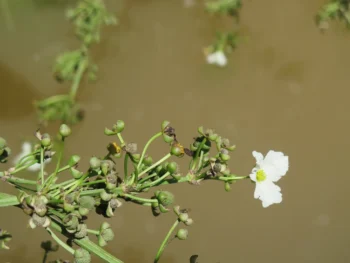
Creeping Burhead: A Native Wetland Wonder for Water-Loving Gardeners
If you’ve been searching for the perfect native plant to grace your pond edge or soggy garden spot, meet creeping burhead (Echinodorus cordifolius). This charming wetland perennial might not have the flashiest name, but it’s a true gem for gardeners who want to embrace nature’s water-loving beauties.
What Makes Creeping Burhead Special?
Creeping burhead is a native perennial forb that belongs to the water plantain family. As a forb, it’s an herbaceous plant without woody stems, but don’t let that fool you into thinking it’s delicate. This hardy native has been thriving in America’s wetlands for centuries, and it’s ready to bring that same resilience to your garden.
You might also see this plant listed under its former botanical name, Echinodorus radicans, but rest assured – it’s the same wonderful species either way.
Where Does Creeping Burhead Call Home?
This all-American native has quite an impressive range, naturally occurring across much of the eastern and central United States. You’ll find it growing wild in Alabama, Arkansas, District of Columbia, Florida, Georgia, Illinois, Indiana, Iowa, Kansas, Kentucky, Louisiana, Maryland, Mississippi, Missouri, North Carolina, Oklahoma, South Carolina, Tennessee, Texas, and Virginia.
- Species observed
- No observations
Why Your Garden (and Local Wildlife) Will Love It
Creeping burhead brings several compelling reasons to earn a spot in your landscape:
- True wetland specialist: With an Obligate Wetland status across all regions where it grows, this plant absolutely thrives in consistently moist conditions
- Pollinator magnet: The delicate white flowers attract beneficial pollinators like small bees and flies
- Low-maintenance native: Once established, it requires minimal care while supporting local ecosystems
- Attractive foliage: Heart-shaped leaves provide lovely texture and form
- Naturalistic appeal: Perfect for creating authentic wetland gardens
Perfect Spots for Planting
Creeping burhead shines in specific garden situations where many other plants would struggle:
- Pond and water garden margins
- Rain gardens and bioswales
- Bog gardens
- Wetland restoration projects
- Areas with seasonal flooding
- Natural depression areas in your landscape
Growing Conditions That Make It Happy
Success with creeping burhead comes down to understanding its water-loving nature:
- Light: Full sun to partial shade (though it flowers best with good sun exposure)
- Soil: Consistently moist to wet soils; tolerates standing water
- Hardiness: Thrives in USDA zones 6-10
- Spreading habit: Can spread via runners, making it great for naturalizing
Planting and Care Tips
Getting started with creeping burhead is refreshingly straightforward:
- Best planting time: Spring, after the last frost
- Soil preparation: No need for amendments – it prefers natural, unamended wet soils
- Watering: Keep consistently moist to wet; this is not a plant that tolerates drought
- Maintenance: Very low once established; allow it to spread naturally in appropriate settings
- Propagation: Spreads naturally via runners; can be divided in spring
Is Creeping Burhead Right for Your Garden?
Creeping burhead is an excellent choice if you have consistently wet areas in your landscape and want to support native wildlife while creating a naturalistic garden aesthetic. However, it’s not the right fit for traditional perennial borders or areas that experience regular dry periods.
This native beauty truly shines when given the wet conditions it craves, rewarding water-wise gardeners with easy care, ecological benefits, and the satisfaction of growing a plant that’s perfectly adapted to American landscapes. If you’re ready to embrace wetland gardening, creeping burhead might just become your new favorite native plant.