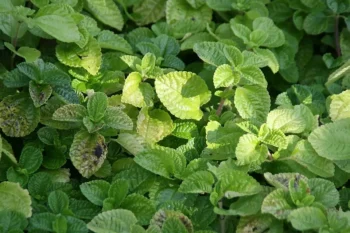
Creeping Charlie: A Native Ground Cover for Shady, Moist Gardens
If you’re looking for a charming native ground cover that thrives in those tricky shady, moist spots in your garden, let me introduce you to creeping charlie (Pilea nummulariifolia). This delightful little native plant might just be the perfect solution for areas where other plants struggle to establish.
What is Creeping Charlie?
Creeping charlie is a native perennial forb that belongs to the nettle family, though don’t worry—it’s completely harmless to touch! This low-growing herbaceous plant forms spreading mats with its distinctive round, coin-shaped leaves that give it part of its scientific name (nummulariifolia means coin-leaved). As a native species, it’s perfectly adapted to local conditions and supports our regional ecosystems.
Where Does Creeping Charlie Call Home?
This charming ground cover is native to the southeastern United States, specifically Florida, as well as Puerto Rico and the U.S. Virgin Islands. It’s a true subtropical and tropical native that has evolved to thrive in the warm, humid conditions of these regions.
- Species observed
- No observations
Why Choose Creeping Charlie for Your Garden?
There are several compelling reasons to consider adding this native beauty to your landscape:
- Native plant benefits: As a true native, it supports local wildlife and requires no special amendments to thrive in regional conditions
- Problem-solver: Perfect for those challenging shady, moist areas where many other plants fail
- Low maintenance: Once established, it requires minimal care and spreads naturally
- Wetland adaptable: Can handle both wetland and non-wetland conditions, making it incredibly versatile
- Aesthetic appeal: The small, rounded leaves create an attractive, fine-textured carpet effect
Garden Design and Landscape Uses
Creeping charlie works wonderfully in several garden scenarios:
- Native shade gardens: Pairs beautifully with other native shade perennials and ferns
- Rain gardens: Its facultative wetland status makes it ideal for areas that experience periodic flooding
- Naturalized areas: Perfect for creating low-maintenance, natural-looking ground cover
- Woodland gardens: Mimics the forest floor environment it naturally inhabits
Growing Conditions and Care
Success with creeping charlie comes from understanding its natural habitat preferences:
- Light: Shade to partial shade—avoid full sun locations
- Soil: Consistently moist to occasionally wet soil; adapts to various soil types
- Hardiness: Best suited for USDA zones 9-11, matching its subtropical and tropical origins
- Humidity: Thrives in high humidity environments typical of its native range
Planting and Maintenance Tips
Getting creeping charlie established in your garden is refreshingly straightforward:
- Site selection: Choose a shaded location with reliable moisture
- Soil preparation: Ensure good drainage while maintaining consistent moisture
- Spacing: Allow room for natural spreading—this plant will fill in gaps over time
- Watering: Maintain consistent soil moisture, especially during establishment
- Fertilization: Generally unnecessary—native plants typically thrive without supplemental feeding
Wildlife and Pollinator Value
While creeping charlie produces small, inconspicuous flowers that provide limited direct pollinator benefits, its value as a native plant extends beyond blooms. Native plants like this one contribute to the overall health of local ecosystems by providing habitat structure and supporting the complex web of native insects, many of which are specialists that depend on native plant communities.
Is Creeping Charlie Right for Your Garden?
Creeping charlie is an excellent choice if you:
- Garden in USDA zones 9-11
- Have shady areas with consistent moisture
- Want to support native plant communities
- Need a low-maintenance ground cover solution
- Appreciate subtle, naturalistic garden design
However, it might not be the best fit if you’re gardening in cooler climates or prefer dramatic, showy flowering plants for high-visibility areas.
The Bottom Line
Creeping charlie offers gardeners in appropriate climates a wonderful opportunity to incorporate a truly native ground cover into their landscapes. Its adaptability to both wetland and upland conditions, combined with its low-maintenance nature and native status, makes it a smart choice for sustainable, ecologically-minded gardening. While it may not be the showiest plant in your garden, it will quietly and reliably perform its job as a living carpet in those challenging shady, moist spots where you need it most.