Creeping Juniper: The Ultimate Native Ground Cover for Tough Spots
If you’re looking for a hardy, low-maintenance ground cover that can handle whatever Mother Nature throws at it, meet creeping juniper (Juniperus horizontalis). This native North American evergreen is like the dependable friend who never lets you down – it’s tough, resilient, and always looks good doing its job.
What is Creeping Juniper?
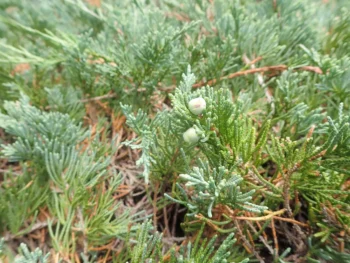
Creeping juniper, also known as creeping-cedar or Waukegan juniper, is a low-growing perennial shrub that rarely exceeds 1.5 feet in height. Think of it as nature’s living carpet – it spreads horizontally to form dense mats that can cover substantial areas over time. This prostrate grower has a thicket-forming habit and dense, coarse-textured foliage that stays green year-round.
Native Range and Distribution
This remarkable plant is truly North American through and through. Creeping juniper naturally occurs across an impressive range, from Alaska down through Canada and into many of the northern United States. You’ll find it thriving in states from Maine to Montana, and from the Canadian Maritimes all the way to the Northwest Territories and Nunavut.
- Species observed
- No observations
Why Choose Creeping Juniper for Your Garden?
There are plenty of compelling reasons to consider this native ground cover:
- True Native Plant: Supporting local ecosystems by choosing plants that naturally belong in North America
- Extremely Hardy: Can withstand temperatures as low as -43°F
- Low Maintenance: Once established, requires minimal care
- Erosion Control: Excellent for stabilizing slopes and preventing soil erosion
- Drought Tolerance: While it prefers consistent moisture, it can handle some dry periods
- Year-Round Interest: Evergreen foliage provides structure and color in all seasons
Growing Conditions and Care
Creeping juniper is surprisingly specific about its preferences, despite its tough reputation:
Soil Requirements
- Prefers medium-textured soils
- pH range: 5.5 to 7.8
- Good drainage is essential
- Medium tolerance for limestone-rich soils
Light and Moisture
- Full sun preferred – shade intolerant
- High moisture requirements
- Needs at least 30 inches of annual precipitation
- Does not tolerate waterlogged conditions
Climate Considerations
- USDA Hardiness Zones 2-7
- Requires at least 100 frost-free days
- Active growth period in spring and summer
- Cold stratification needed for seed germination
Planting and Propagation
The good news is that creeping juniper is routinely available commercially, so you won’t have to hunt far and wide to find it. Here’s what you need to know about getting it established:
- Best Methods: Purchase container plants or bare root specimens
- Propagation: Can be grown from cuttings (seed propagation is not recommended due to low seedling vigor)
- Spacing: Plant 1,200 to 4,800 plants per acre depending on desired coverage speed
- Growth Rate: Moderate growth rate with slow vegetative spread
- Patience Required: At 20 years, maximum height is typically just 1 foot
Landscape Uses
Creeping juniper shines in several landscape applications:
- Ground Cover: Perfect for large areas where you want consistent, low-growing coverage
- Slope Stabilization: Excellent choice for erosion-prone areas
- Rock Gardens: Complements rocky, naturalized settings beautifully
- Native Plant Gardens: Essential component of authentic North American plant communities
- Low-Maintenance Areas: Ideal for spots where you want beauty without constant upkeep
Wetland Status and Environmental Benefits
Creeping juniper is primarily an upland plant, meaning it typically grows in non-wetland areas. However, its wetland status varies by region – in some areas like the Midwest and Northeast, it may occasionally appear in wetland margins. This adaptability makes it valuable for transition zones in naturalized landscapes.
Wildlife and Pollinator Considerations
As a wind-pollinated gymnosperm, creeping juniper doesn’t provide the same nectar and pollen resources that flowering plants do. However, its dense, persistent foliage offers year-round shelter for small wildlife, and its berries (actually small cones) may provide food for birds when they mature.
Potential Drawbacks to Consider
Before you fall head-over-heels for creeping juniper, consider these limitations:
- Slow Establishment: Takes time to fill in areas completely
- Specific Soil Needs: Won’t thrive in clay or very sandy soils
- Fire Sensitivity: Only medium fire tolerance
- Sun Requirements: Won’t work in shady locations
- High Fertility Needs: Requires good soil nutrition to thrive
The Bottom Line
Creeping juniper is an excellent choice for gardeners who want a native, low-growing evergreen ground cover and have the right growing conditions. While it may not be the fastest-growing option available, its reliability, hardiness, and authentic North American heritage make it worth the wait. If you have a sunny spot with well-draining, medium-textured soil and you’re willing to be patient, creeping juniper could be the perfect long-term solution for your landscape needs.
Remember, choosing native plants like creeping juniper isn’t just good for your garden – it’s good for local ecosystems too. You’ll be supporting the plants that have called North America home for thousands of years, creating habitat that native wildlife recognizes and can use.