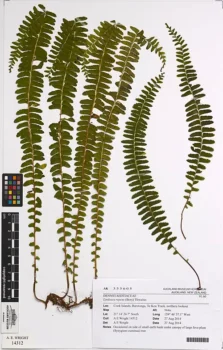
Creeping Necklace Fern: A Delicate Native Ground Cover for Tropical Gardens
If you’re looking to add some delicate, lacy texture to your tropical shade garden, the creeping necklace fern (Lindsaea repens) might just be the perfect ground cover you’ve been searching for. This charming little native fern brings an understated elegance to gardens in Hawaii and other Pacific islands, quietly carpeting the forest floor with its intricate fronds.
What Is the Creeping Necklace Fern?
The creeping necklace fern is a perennial fern native to Hawaii and various Pacific Basin islands, including Palau. Despite being classified technically as a forb in botanical terms, this plant is definitely a true fern that reproduces through spores rather than seeds or flowers. Its delicate, finely divided fronds create beautiful patterns that resemble intricate lacework spread across the ground.
Where Does It Naturally Grow?
This native beauty calls the Pacific islands home, thriving naturally in Hawaii and Palau. As a native species, it plays an important role in local ecosystems and has adapted perfectly to the humid, tropical conditions of these island environments.
- Species observed
- No observations
Why Consider This Fern for Your Garden?
The creeping necklace fern offers several appealing qualities for the right garden setting:
- Native plant that supports local ecosystems
- Creates beautiful, delicate ground cover in shaded areas
- Low-maintenance once established in suitable conditions
- Adds fine texture contrast to broader-leafed tropical plants
- Facultative wetland status means it’s adaptable to various moisture levels
Ideal Garden Settings
This fern is perfectly suited for tropical and subtropical shade gardens, particularly in USDA hardiness zones 10-12. It works wonderfully in:
- Naturalized woodland gardens
- Tropical shade borders
- Areas around water features where humidity is higher
- Under tree canopies or large shrubs
- Rock gardens with good drainage but consistent moisture
Growing Conditions and Care
Like most tropical ferns, the creeping necklace fern has some specific preferences that are important to get right:
Light: Prefers partial to full shade. Direct sunlight can scorch the delicate fronds.
Soil: Well-draining soil that retains some moisture. Good organic content helps create the humid microenvironment this fern loves.
Water: Consistent moisture is key, but avoid waterlogged conditions. Its facultative wetland status means it can handle some variation in moisture levels.
Climate: Thrives in humid, tropical conditions. Only suitable for outdoor cultivation in zones 10-12.
Planting and Care Tips
Successfully growing creeping necklace fern requires attention to its tropical nature:
- Plant in spring when temperatures are consistently warm
- Provide shelter from strong winds that can damage delicate fronds
- Mulch around plants to maintain soil moisture and humidity
- Remove any brown or damaged fronds to keep the plant looking its best
- Be patient – like many ferns, it may take time to establish and spread
Is This Fern Right for Your Garden?
The creeping necklace fern is an excellent choice if you live in a tropical climate and want to support native plant biodiversity while adding delicate beauty to shaded areas. However, it’s not suitable for gardeners in temperate climates, as it requires warm, humid conditions year-round.
If you’re in the right climate zone and can provide the shade and consistent moisture this fern needs, it makes a wonderful addition to naturalized gardens and tropical landscapes. Just remember that as with any native plant, it’s important to source your plants responsibly from reputable nurseries that propagate rather than wild-harvest their stock.
For gardeners outside tropical zones looking for similar delicate ground cover ferns, consider researching native fern species in your own region – there are likely beautiful alternatives that are perfectly adapted to your local climate!