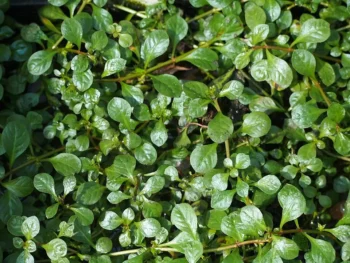
Creeping Primrose-Willow: A Native Ground Cover for Wet Spots
If you’ve got a soggy spot in your yard that seems impossible to plant, meet your new best friend: creeping primrose-willow (Ludwigia repens). This cheerful native perennial might just be the answer to your wetland woes, bringing bright yellow blooms and lush foliage to areas where other plants fear to tread.
What Makes Creeping Primrose-Willow Special?
Don’t let the name fool you – this isn’t actually related to primroses or willows. Creeping primrose-willow is a unique native forb that’s perfectly adapted to life in wet places. As a perennial, it comes back year after year, forming spreading mats of oval to lance-shaped leaves topped with cheerful four-petaled yellow flowers from summer through fall.
What really sets this plant apart is its incredible tolerance for wet conditions. While most garden plants would throw in the towel at the first sign of standing water, creeping primrose-willow practically does a happy dance.
Where It Calls Home
This moisture-loving native is right at home across a wide swath of the United States, naturally occurring in Alabama, Arizona, Arkansas, California, Florida, Georgia, Kansas, Louisiana, Mississippi, Missouri, Nevada, New Mexico, North Carolina, Oklahoma, South Carolina, Tennessee, Texas, and Virginia.
- Species observed
- No observations
Throughout all these regions, creeping primrose-willow holds Obligate Wetland status, meaning it almost always occurs in wetlands. This makes it an excellent choice for gardeners looking to work with nature rather than against it.
Garden Role and Landscape Appeal
In the garden world, creeping primrose-willow is your go-to ground cover for challenging wet spots. Here’s where it truly shines:
- Rain gardens and bioswales
- Pond and stream margins
- Bog gardens
- Naturalized wetland areas
- Any persistently moist to wet soil area
The plant’s low-growing, spreading habit makes it perfect for filling in wet areas where you need coverage. As a bonus, the leaves may develop attractive reddish tints in cooler weather, adding seasonal interest to your landscape.
Pollinator and Wildlife Benefits
Those sunny yellow flowers aren’t just pretty – they’re pollinator magnets. Small native bees, flies, and other tiny pollinators flock to the blooms, making this plant a valuable addition to any wildlife-friendly garden. By choosing native plants like creeping primrose-willow, you’re supporting the local ecosystem and providing food sources that native wildlife have depended on for thousands of years.
Growing Conditions and Care
The beauty of creeping primrose-willow lies in its simplicity. This is not a high-maintenance diva – it’s more like that reliable friend who’s always there when you need them.
Perfect Growing Conditions:
- Light: Full sun to partial shade (though it blooms best with plenty of sun)
- Soil: Consistently moist to saturated soils
- Water: Loves wet feet – tolerates seasonal flooding
- Hardiness: USDA zones 6-10
Planting and Care Tips:
- Plant in spring after the last frost date
- Ensure consistent moisture – this plant does not tolerate drought
- Give it room to spread, as it can be quite vigorous in ideal conditions
- Propagate by division in spring or by stem cuttings
- Minimal fertilization needed – it’s adapted to natural wetland conditions
A Word of Caution
While creeping primrose-willow is a native treasure, it’s worth noting that it can be quite enthusiastic about spreading in perfect conditions. If you’re planting it in a small water feature or contained area, keep an eye on its growth and be prepared to divide or thin it as needed. Think of it as enthusiastic rather than aggressive – it’s just really, really happy in wet soil!
Is Creeping Primrose-Willow Right for Your Garden?
If you have wet areas in your landscape that need coverage, want to support native pollinators, and appreciate low-maintenance plants with cheerful flowers, creeping primrose-willow could be perfect for you. It’s especially valuable for gardeners creating rain gardens, restoring wetland areas, or working with naturally wet spots in their landscape.
Just remember: this is a plant for wet places. If your garden tends toward the dry side, you’ll want to look elsewhere. But for those challenging soggy spots where other plants struggle, creeping primrose-willow might just become your new favorite native ground cover.