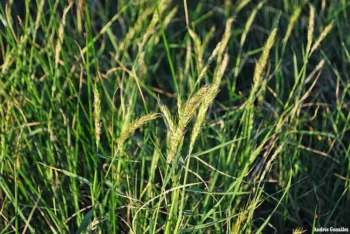
Creeping River Grass: A Native Wetland Warrior for Your Water Garden
If you’ve been searching for a native grass that thrives in those perpetually soggy spots in your yard, meet creeping river grass (Echinochloa polystachya). This robust perennial grass might not be the showiest plant in your garden, but it’s a true champion when it comes to handling wet conditions and supporting local ecosystems.
What Makes Creeping River Grass Special?
Creeping river grass is a native perennial grass that belongs to the graminoid family—that’s botanist-speak for grass and grass-like plants. As a true American native, this species has been quietly doing its job in wetlands across the southeastern United States for centuries. You might also see it listed under its scientific synonym, Oplismenus polystachyus, in older gardening references.
Where Does It Call Home?
This water-loving grass is native to the lower 48 states, specifically thriving in Florida, Louisiana, Texas, and Puerto Rico. It’s perfectly adapted to the warm, humid conditions of the southeastern coastal regions, where it plays an important role in natural wetland ecosystems.
- Species observed
- No observations
The Wetland Specialist
Here’s where creeping river grass really shines—it’s what we call an obligate wetland plant in most of its range. This means it almost always occurs in wetlands and is happiest with its feet constantly wet. In the Great Plains region, it shows a bit more flexibility as a facultative wetland plant, meaning it usually prefers wet spots but can occasionally tolerate drier conditions.
Should You Plant Creeping River Grass?
You’ll want to consider this grass if you have:
- Consistently wet or marshy areas in your landscape
- A rain garden or bioswale project
- Pond margins or stream banks that need stabilization
- A wetland restoration project
- Areas prone to flooding
This might not be the grass for you if:
- You’re looking for a traditional lawn grass
- Your garden has well-drained or dry soils
- You prefer showy, ornamental grasses
- You live outside USDA zones 8-11
Growing Creeping River Grass Successfully
Location and Light: Plant your creeping river grass in full sun to partial shade. It’s quite adaptable to different light conditions as long as its water needs are met.
Soil and Water: This is where things get specific—creeping river grass needs consistently moist to wet soils. Think boggy, marshy, or areas that stay damp year-round. It actually tolerates and even thrives in periodically flooded conditions that would kill most other plants.
Climate Considerations: Best suited for USDA hardiness zones 8-11, this grass loves warm, humid conditions. If you’re gardening in cooler zones, this probably isn’t the grass for you.
Planting and Care Tips
The good news? Once established in the right conditions, creeping river grass is refreshingly low-maintenance. Here are the basics:
- Plant in spring after the last frost
- Ensure consistent moisture—never let it dry out completely
- Minimal fertilization needed in rich, organic wetland soils
- May self-seed readily in suitable conditions
- Cut back in late winter if desired for tidier appearance
The Bigger Picture
While creeping river grass might not attract clouds of butterflies like some showier natives, it serves important ecological functions. As a native wetland species, it helps prevent erosion, filters water naturally, and provides habitat structure for wetland wildlife. It’s the kind of plant that works hard behind the scenes to keep our water systems healthy.
The Bottom Line
Creeping river grass is definitely a specialist plant—it excels in wet conditions where many other plants would struggle or fail entirely. If you’re working with challenging wet areas in your landscape, especially in the southeastern United States, this native grass could be exactly what you need. Just remember: this is a plant for water gardeners, wetland restoration enthusiasts, and anyone dealing with those perpetually soggy spots that need a native solution.
While it may not be the most glamorous choice for every garden, creeping river grass proves that sometimes the most valuable plants are the ones quietly doing essential work in challenging conditions.