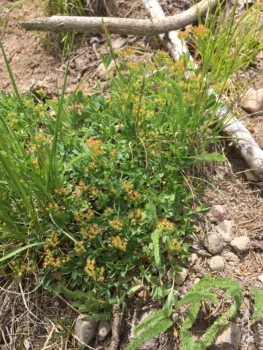
Creeping Sibbaldia: A Tiny Alpine Treasure for Your Rock Garden
If you’re looking for a tough-as-nails ground cover that can handle whatever Mother Nature throws at it, let me introduce you to creeping sibbaldia (Sibbaldia procumbens). This little alpine warrior might not win any beauty contests, but what it lacks in showiness, it makes up for in pure resilience and charm.
What Is Creeping Sibbaldia?
Creeping sibbaldia is a native North American perennial that belongs to the rose family. Don’t let that family connection fool you into expecting showy blooms – this plant is all about understated elegance. As a forb (that’s botanist-speak for a non-woody flowering plant), it forms low, creeping mats that hug the ground like a natural carpet.
You might occasionally see this plant listed under its synonym Potentilla sibbaldii, but don’t let the name confusion discourage you – it’s the same hardy little survivor either way.
Where Does It Come From?
This plant is a true North American native with an impressive range that spans from the Arctic to the mountains of the southwestern United States. You’ll find it naturally growing across Alaska, western and central Canada, and throughout the western states including Arizona, California, Colorado, Idaho, Montana, Nevada, New Mexico, Oregon, Utah, Washington, and Wyoming. It even pops up in some northeastern locations like New Hampshire.
- Species observed
- No observations
Why You Might Want to Grow Creeping Sibbaldia
Here’s where creeping sibbaldia really shines – it’s practically indestructible once established. This plant thrives in USDA hardiness zones 2 through 7, meaning it can handle everything from brutal Arctic winters to reasonably warm summers.
The small, three-part leaves create a dense, low-growing mat that’s perfect for:
- Rock gardens and alpine plantings
- Xerophytic (drought-tolerant) landscapes
- Natural mountain garden settings
- Ground cover in challenging, rocky areas
While the tiny yellow flowers won’t stop traffic, they do provide nectar for small native bees and flies during the growing season. Plus, since this plant typically grows in non-wetland conditions (though it can occasionally tolerate some moisture), it’s versatile enough for most garden situations.
Growing Conditions and Care
The secret to success with creeping sibbaldia is thinking like the plant – imagine you’re trying to survive on a windswept mountain slope. Here’s what this tough little plant needs:
Soil: Well-draining is absolutely critical. Rocky, sandy, or gravelly soils are perfect. If your soil holds water, this plant will not be happy.
Sun: Full sun to partial shade works well, though it tends to be more compact in full sun.
Water: Once established, it’s remarkably drought tolerant. In fact, too much water is more likely to kill it than too little.
Temperature: This plant loves cool conditions and can handle serious cold, but it struggles in hot, humid climates.
Planting and Care Tips
Getting creeping sibbaldia established is straightforward if you follow a few key principles:
- Plant in spring after the last frost
- Improve drainage by adding coarse sand or small gravel to heavy soils
- Mulch with gravel rather than organic materials
- Water sparingly during establishment, then rely on natural rainfall
- Skip the fertilizer – this plant prefers lean conditions
- Propagate by division in early spring or grow from seed
Is This Plant Right for Your Garden?
Creeping sibbaldia isn’t for everyone, and that’s okay! It’s perfect if you:
- Have a rock garden or alpine garden
- Live in a cooler climate (zones 2-7)
- Want extremely low-maintenance ground cover
- Appreciate subtle, naturalistic plantings
- Have challenging, rocky, or poor soil conditions
However, you might want to skip it if you’re looking for showy flowers, live in a hot and humid climate, or prefer lush, tropical-style gardens.
The Bottom Line
Creeping sibbaldia may not be the star of your garden, but it’s the kind of reliable supporting actor that makes everything else look good. For the right garden in the right climate, this native ground cover offers unmatched durability and a quiet, natural beauty that connects your landscape to the wild mountain spaces where it originally evolved.
If you’re ready to embrace the subtle charm of alpine gardening, creeping sibbaldia just might be your new best friend.