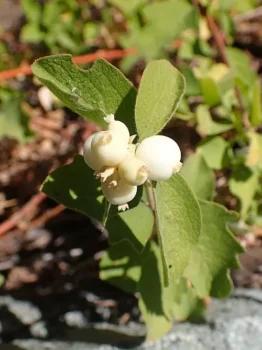
Creeping Snowberry: A Hidden Gem for Western Native Gardens
If you’re looking for a low-maintenance native shrub that doesn’t demand the spotlight but quietly does its job beautifully, let me introduce you to creeping snowberry (Symphoricarpos mollis). This understated perennial shrub might not win any flashy flower contests, but it’s exactly the kind of reliable, eco-friendly plant that makes native gardening both successful and rewarding.
What Makes Creeping Snowberry Special?
Creeping snowberry is a true western native, naturally occurring in California and Nevada. As a multi-stemmed shrub, it typically stays manageable in size—usually under 13-16 feet tall, though most garden specimens remain much smaller. Don’t let the creeping name fool you; this isn’t a groundcover that will take over your garden. Instead, it’s a well-behaved shrub that spreads gradually to form lovely, naturalistic colonies.
This native beauty is found naturally in California and Nevada, where it has adapted to the unique conditions of the western mountains and valleys. Its natural range makes it perfectly suited for gardens in these regions.
- Species observed
- No observations
Why Your Garden (and Local Wildlife) Will Love It
Here’s where creeping snowberry really shines: it’s a fantastic choice for gardeners who want to support local ecosystems without a lot of fuss. The small, bell-shaped flowers—ranging from white to soft pink—appear in summer and are particularly attractive to native bees and other small pollinators. Later in the season, these blooms give way to clusters of white berries that add winter interest to your landscape.
As a facultative upland plant, creeping snowberry is quite adaptable. While it typically prefers non-wetland conditions, it can handle some moisture variation, making it more forgiving than many natives.
Perfect Spots for Planting
Creeping snowberry works wonderfully in several garden situations:
- Native plant gardens where you want authentic local flora
- Woodland or naturalistic landscapes as an understory shrub
- Slopes and hillsides where you need erosion control
- Mixed shrub borders where it provides subtle texture
- Areas where you want low-maintenance, drought-tolerant plantings
Growing Conditions and Care
One of the best things about creeping snowberry is how easygoing it is once established. This shrub thrives in USDA hardiness zones 5-9, making it suitable for a wide range of western gardens.
Light requirements: Partial shade to full sun—it’s quite adaptable to different light conditions.
Soil preferences: Well-draining soils are key. It’s not particularly fussy about soil type, but good drainage will keep it happiest.
Water needs: Here’s where this native really proves its worth. Once established, creeping snowberry is quite drought tolerant, making it perfect for water-wise gardens.
Planting and Maintenance Tips
Getting creeping snowberry established in your garden is refreshingly straightforward:
- Plant in spring or fall when temperatures are moderate
- Water regularly the first year to help establish a strong root system
- Once established, reduce watering—this native prefers to be on the drier side
- Pruning is optional but can be done in late winter if you want to shape the plant
- Very little fertilizer needed—native plants generally prefer lean soils
Is Creeping Snowberry Right for Your Garden?
Creeping snowberry is an excellent choice if you’re gardening in California or Nevada and want to incorporate authentic native plants into your landscape. It’s particularly valuable for gardeners who appreciate subtle beauty over showy displays and prefer plants that work with nature rather than against it.
Consider this native shrub if you’re creating habitat for local wildlife, dealing with slopes that need stabilization, or simply want a reliable, low-maintenance addition to your native plant collection. While it may not be the star of your garden, creeping snowberry is definitely the kind of supporting player that makes the whole landscape work better.
For western gardeners committed to native landscaping, creeping snowberry represents the quiet reliability and ecological value that makes native gardening so rewarding. Sometimes the best plants are the ones that simply belong.