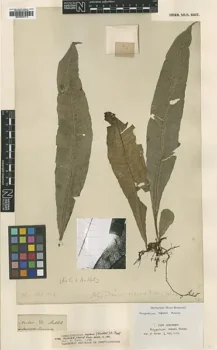
Creeping Strapfern: A Graceful Tropical Epiphyte for Your Garden
If you’re looking to add some tropical elegance to your garden or indoor plant collection, the creeping strapfern might just be the perfect choice. This charming epiphytic fern, scientifically known as Campyloneurum repens, brings a touch of Caribbean paradise wherever it grows.
What Is Creeping Strapfern?
The creeping strapfern is a perennial fern native to Puerto Rico and other tropical Caribbean regions. Unlike typical garden ferns that grow in soil, this beauty is an epiphyte, meaning it naturally grows on other plants (usually trees) without harming them. Think of it as nature’s way of creating living art on tree trunks!
This fern gets its common name from its distinctive growth habit – it creeps along surfaces with its rhizomes while producing those characteristic strap-like fronds that give it such visual appeal.
- Species observed
- No observations
Why Consider Growing Creeping Strapfern?
There are several compelling reasons why this native beauty deserves a spot in your tropical garden:
- Unique aesthetic appeal: The glossy, bright green fronds create an elegant cascading effect that adds instant tropical sophistication
- Space-efficient: As an epiphyte, it doesn’t compete for ground space in your garden
- Low maintenance: Once established in the right conditions, it requires minimal care
- Native plant benefits: Supporting native species helps preserve local ecosystems
- Versatile placement: Perfect for mounting on trees, growing in hanging baskets, or as a unique houseplant
Identifying Creeping Strapfern
Recognition is straightforward once you know what to look for:
- Long, narrow, undivided fronds that resemble leather straps
- Fronds typically reach 12-18 inches in length
- Glossy, bright green color with a somewhat leathery texture
- Creeping rhizomes that spread along surfaces
- Spores produced on the undersides of mature fronds rather than flowers
Growing Conditions and Care
Success with creeping strapfern depends on replicating its natural tropical habitat:
Climate Requirements: This tropical native thrives in USDA hardiness zones 10-12. In cooler climates, it makes an excellent greenhouse or indoor plant.
Light: Bright, indirect light works best. Direct sunlight can scorch the fronds, while too little light leads to weak growth.
Humidity: High humidity is essential – aim for 60-80% if possible. Regular misting helps, but ensure good air circulation to prevent fungal issues.
Growing Medium: Use a well-draining, chunky mix similar to orchid bark. Good drainage is crucial since waterlogged conditions quickly lead to root rot.
Watering: The creeping strapfern has a facultative wetland status, meaning it can handle both wet and moderately dry conditions. Water when the growing medium feels dry to the touch, but don’t let it become bone dry.
Planting and Care Tips
Getting started with creeping strapfern is easier than you might think:
- Mounting: Attach to tree bark using sphagnum moss and fishing line or plant ties
- Container growing: Use a well-draining orchid mix in a hanging basket or mounted plaque
- Fertilizing: Light, occasional feeding with diluted liquid fertilizer during growing season
- Pruning: Remove old or damaged fronds to maintain appearance
- Propagation: Divide established plants or separate sections of the creeping rhizome
Landscape Design Ideas
The creeping strapfern shines in several garden settings:
- Mount on palm trees or other tropical plants for authentic jungle vibes
- Create living walls by mounting multiple plants on fence sections
- Add to shade gardens as an unusual textural element
- Include in tropical conservatory displays
- Use as striking houseplants in bright bathrooms or sunrooms
Is Creeping Strapfern Right for Your Garden?
This native beauty is perfect if you:
- Live in tropical or subtropical regions (zones 10-12)
- Want to support native plant species
- Enjoy unique, low-maintenance plants
- Have high-humidity growing conditions
- Appreciate the aesthetic of epiphytic plants
However, it might not be the best choice if you’re in cooler climates without greenhouse space, prefer traditional soil-based plants, or struggle to maintain adequate humidity levels.
The creeping strapfern offers gardeners something truly special – a chance to grow a piece of Caribbean paradise while supporting native plant diversity. With its graceful form and relatively easy care requirements, it’s a wonderful addition to any tropical plant collection.