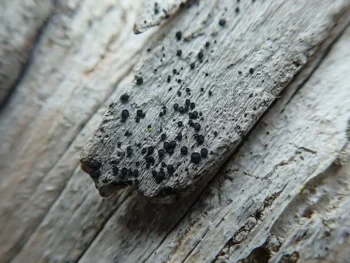
Meet Cresponea chloroconia: The Crusty Forest Lichen You Should Know
If you’ve ever wandered through a shady forest and noticed gray-green crusty patches on tree bark, you might have encountered Cresponea chloroconia. This fascinating lichen isn’t something you can pick up at your local nursery, but understanding what it is and why it matters can deepen your appreciation for the natural world in your own backyard.
What Exactly Is Cresponea chloroconia?
Let’s clear something up right away: Cresponea chloroconia isn’t a plant in the traditional sense. It’s a lichen – a remarkable partnership between a fungus and algae that creates something entirely unique. Think of it as nature’s ultimate collaboration project, where two completely different organisms team up to thrive in places neither could survive alone.
This particular lichen goes by the scientific name Cresponea chloroconia, and you might occasionally see it referenced by its older name, Lecanactis chloroconia. It’s native to North America and has been quietly doing its thing in our forests for countless years.
Where You’ll Find This Crusty Character
Cresponea chloroconia calls eastern North America home, particularly favoring the temperate forests that stretch across much of the continent. It’s most comfortable in shady, humid environments where the air is clean and the living is easy (for a lichen, anyway).
Spotting Cresponea chloroconia in the Wild
Here’s how to identify this lichen when you’re out exploring:
- Look for gray-green, crusty patches on tree bark
- Notice the distinctive greenish soredia (tiny reproductive structures that look like powdery dots)
- Check shaded areas with high humidity
- Search on various tree species in mature forests
Is This Lichen Good for Your Garden?
Here’s the thing about lichens like Cresponea chloroconia – they’re fantastic indicators that your local environment is healthy. If you spot this lichen growing naturally in your wooded areas, it’s actually a great sign! It means your air quality is good and your ecosystem is functioning well.
While you can’t exactly plant this lichen (it’s not available for purchase and wouldn’t survive transplanting), you can create conditions that might encourage its natural appearance:
- Maintain mature trees, especially native species
- Avoid using pesticides and chemicals that could harm delicate organisms
- Preserve shady, humid microclimates in your landscape
- Keep air quality high by supporting clean air initiatives
The Lichen’s Role in Your Ecosystem
Cresponea chloroconia might seem like just a crusty patch on bark, but it plays several important roles:
- Acts as a natural air quality monitor – its presence indicates clean air
- Provides habitat for tiny insects and other microorganisms
- Contributes to nutrient cycling in forest ecosystems
- Adds authentic character to natural woodland settings
Living Conditions This Lichen Loves
If you’re hoping to spot Cresponea chloroconia in your area, it thrives in these conditions:
- USDA hardiness zones 3-8 (approximately)
- Shade to partial shade environments
- High humidity levels
- Clean air with minimal pollution
- Mature forest settings with established trees
The Bottom Line on This Forest Friend
While Cresponea chloroconia isn’t something you can add to your shopping cart, it’s worth appreciating as part of the complex web of life that makes healthy forests tick. If you’re lucky enough to have this lichen growing naturally in your wooded areas, consider it a badge of honor – it means you’re doing something right for the environment.
The next time you’re walking through a shady forest, take a moment to look closely at the tree bark around you. Those crusty, gray-green patches might just be Cresponea chloroconia, quietly going about its business of being one of nature’s most successful partnerships. And honestly, isn’t there something pretty wonderful about that?