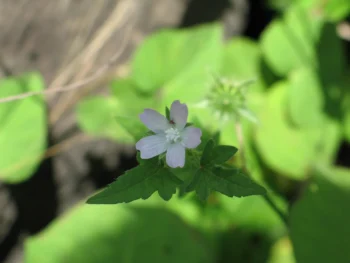
Crested Anoda: A Cheerful Annual with a Few Quirks
Meet crested anoda (Anoda cristata), a charming little annual that’s been quietly making itself at home across much of North America. This unassuming member of the mallow family might not win any garden beauty contests, but it has a few tricks up its sleeve that might just win you over.
What Exactly Is Crested Anoda?
Crested anoda is an annual forb – essentially a non-woody flowering plant that completes its entire life cycle in one growing season. Don’t let the scientific name intimidate you; this plant is as straightforward as they come. It’s also known by several botanical synonyms, including Sida cristata, but crested anoda is the name that’s stuck in most gardening circles.
Where Does It Call Home?
While originally native to tropical and subtropical regions of the Americas, crested anoda has naturalized across an impressive swath of the United States. You’ll find it thriving from Arizona to Massachusetts, and from California down to Florida. It’s even made itself comfortable in Puerto Rico. This wide distribution speaks to the plant’s remarkable adaptability.
- Species observed
- No observations
The Good, The Bad, and The Seedy
Before you rush out to plant crested anoda, there’s something important you should know: this plant has a bit of a reputation. In some areas, it’s considered a restricted noxious weed due to its enthusiastic self-seeding habits. Once established, crested anoda can pop up in places you never intended, thanks to its prolific seed production.
However, it’s not all cautionary tales. This little annual has some genuinely appealing qualities that explain why it’s found favor in many gardens.
What Makes It Garden-Worthy?
Crested anoda produces small, delicate flowers that range from bright orange to red-orange, occasionally yellow. These blooms have a hibiscus-like appearance and create a cheerful, cottage garden vibe. The heart-shaped leaves add to its informal charm, creating an airy, naturalized look that works beautifully in wildflower gardens or informal landscapes.
The plant typically reaches 1-3 feet in height and spreads about as wide, making it perfect as a filler plant or background annual in mixed borders.
Pollinator Paradise
One of crested anoda’s strongest selling points is its appeal to pollinators. The small flowers are magnets for bees, butterflies, and other beneficial insects. If you’re looking to support local pollinator populations, this plant delivers consistent blooms from summer through fall.
Growing Conditions and Care
Here’s where crested anoda really shines – it’s almost embarrassingly easy to grow. This plant thrives in:
- Full sun locations
- Poor to average soils
- Well-drained conditions
- Hot, dry climates
Its wetland status varies by region – in some areas it can handle both wet and dry conditions (facultative), while in others it strongly prefers upland, drier sites. This adaptability is part of what makes it such a successful colonizer.
Hardiness and Planting
As an annual, crested anoda can be grown in USDA zones 4-11, though it naturally thrives in warmer climates. The key is timing your planting after the last frost date in your area.
Direct seeding is the easiest approach – simply scatter seeds in spring after soil has warmed. The plant will handle the rest, often self-seeding for following years (sometimes more enthusiastically than you might prefer).
The Verdict: To Plant or Not to Plant?
Crested anoda occupies an interesting middle ground in the gardening world. It’s not native to most areas where it now grows, but it’s naturalized so successfully that it feels like part of the local flora. Its pollinator benefits and easy care make it appealing, but its aggressive self-seeding and noxious weed status in some regions give gardeners pause.
If you do decide to grow crested anoda, consider these guidelines:
- Check local regulations first – it may be restricted in your area
- Plant in contained areas where self-seeding won’t become problematic
- Deadhead flowers if you want to prevent excessive seeding
- Consider native alternatives that provide similar benefits without the invasive tendencies
For gardeners seeking low-maintenance annuals that support pollinators, crested anoda can be a useful addition. Just remember that this plant comes with responsibilities – it’s the kind of guest that might decide to make itself permanently at home, whether you invited it to stay or not.