Crested Arrowhead: A Hidden Gem for Your Wetland Garden
If you’re looking to add some native charm to your wet garden spots, meet the crested arrowhead (Sagittaria cristata) – a delightful native perennial that’s perfectly at home with its feet wet. This lesser-known member of the arrowhead family brings understated elegance to water gardens and boggy areas where many other plants would simply give up and float away.
What Makes Crested Arrowhead Special?
Crested arrowhead is a native North American perennial forb that belongs to the group of herbaceous plants – those wonderful non-woody plants that die back in winter but return each spring with renewed vigor. Unlike its more common cousin, the broad-leaved arrowhead, this species has a more delicate, refined appearance that makes it a real standout in naturalized settings.
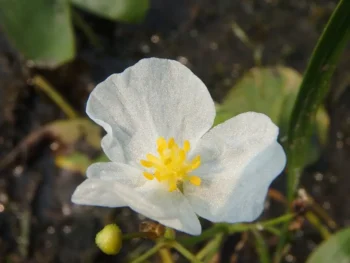
The plant produces the characteristic arrow-shaped leaves that give the arrowhead family its name, along with charming small white flowers that bloom in summer. Each flower features three pristine white petals that create a lovely contrast against the green foliage.
Where Does It Call Home?
This native beauty has made itself at home across the upper Midwest and Great Lakes region. You’ll find wild populations thriving in Ontario, Illinois, Iowa, Michigan, Minnesota, Nebraska, and Wisconsin. It’s truly a child of the northern climates, well-adapted to cold winters and the specific growing conditions of this region.
- Species observed
- No observations
Why Your Garden (Might) Want Crested Arrowhead
Here’s the thing about crested arrowhead – it’s not for every garden, and that’s perfectly okay! This plant is what we call an obligate wetland species, which is a fancy way of saying it absolutely, positively needs consistently wet conditions to thrive. But if you have the right spot, here’s why it could be perfect:
- Native plant benefits: Supports local ecosystems and provides food for native wildlife
- Pollinator friendly: Those summer blooms attract bees and other beneficial insects
- Low maintenance: Once established in the right conditions, it pretty much takes care of itself
- Unique aesthetic: Adds vertical interest and delicate texture to water features
- Regional adaptation: Perfectly suited to northern climates (USDA zones 3-7)
The Perfect Growing Conditions
Remember that obligate wetland status we mentioned? That means crested arrowhead needs:
- Consistently wet soil: Think saturated conditions or shallow standing water
- Full sun to partial shade: It’s flexible with light but needs that moisture
- Cool climate: Thrives in zones 3-7, loves those cold northern winters
This isn’t the plant for your average perennial border or drought-tolerant landscape. Instead, think rain gardens, pond edges, bog gardens, or wetland restoration projects.
Garden Design Ideas
Crested arrowhead shines in specialized garden settings:
- Water gardens: Plant along pond margins or in shallow water features
- Rain gardens: Perfect for those low-lying areas that collect runoff
- Native wetland gardens: Combine with other native moisture-lovers like blue flag iris or swamp milkweed
- Naturalized areas: Great for creating wildlife habitat in wet meadows or restored wetlands
Planting and Care Tips
Growing crested arrowhead successfully is all about location, location, location:
- Timing: Plant in spring after the last frost
- Site preparation: Ensure your planting area stays consistently wet
- Spacing: Give plants room to spread naturally
- Maintenance: Minimal care needed once established – just ensure water levels stay adequate
- Winter care: Being a perennial, it will die back in fall and return in spring
Is Crested Arrowhead Right for You?
This native beauty is perfect if you have wet garden areas and want to support local wildlife with regionally appropriate plants. However, it’s definitely not suitable for average garden beds or areas that dry out. If you don’t have consistently wet conditions, consider other native options that are better suited to your site.
For gardeners in the upper Midwest and Great Lakes region with the right wet conditions, crested arrowhead offers a wonderful way to create authentic native habitat while adding unique texture and seasonal interest to your landscape. Just remember – happy plants are plants grown in conditions they love, and this one loves to keep its feet wet!